en de som


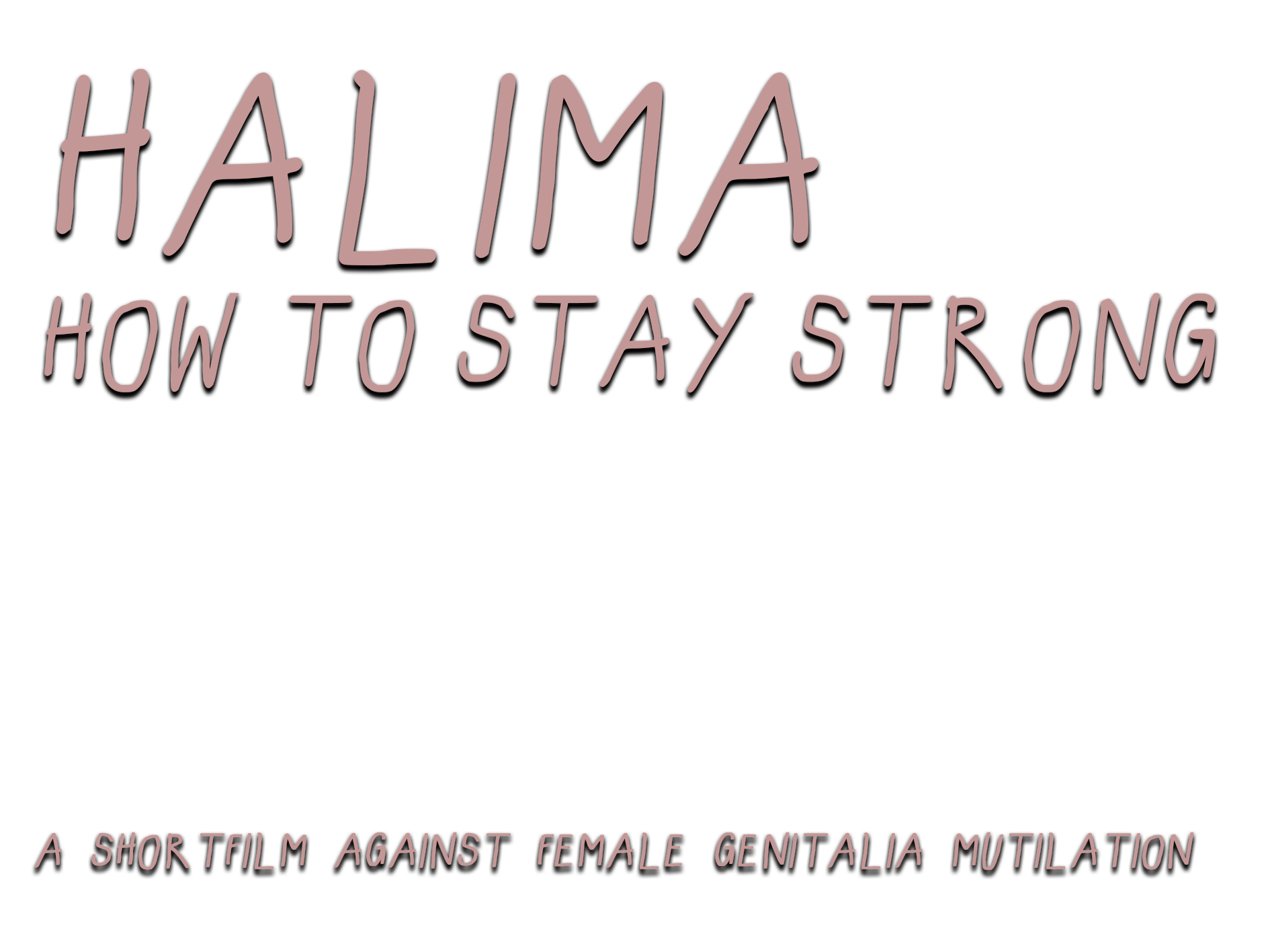
What is our short film ‘Halima – A Guide to Being Strong’ about? And how was it made?

A story about racism, FGM and flight

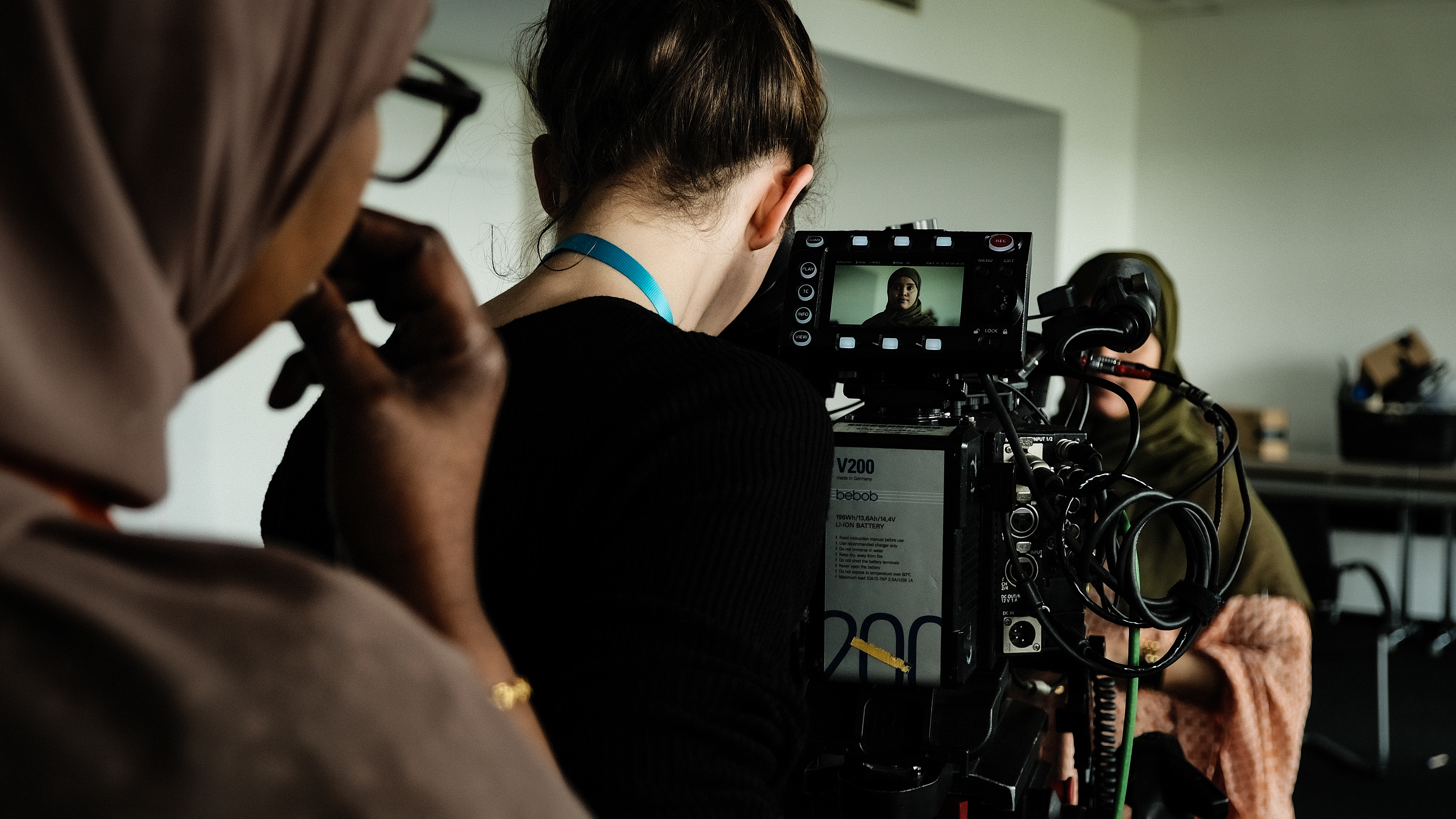
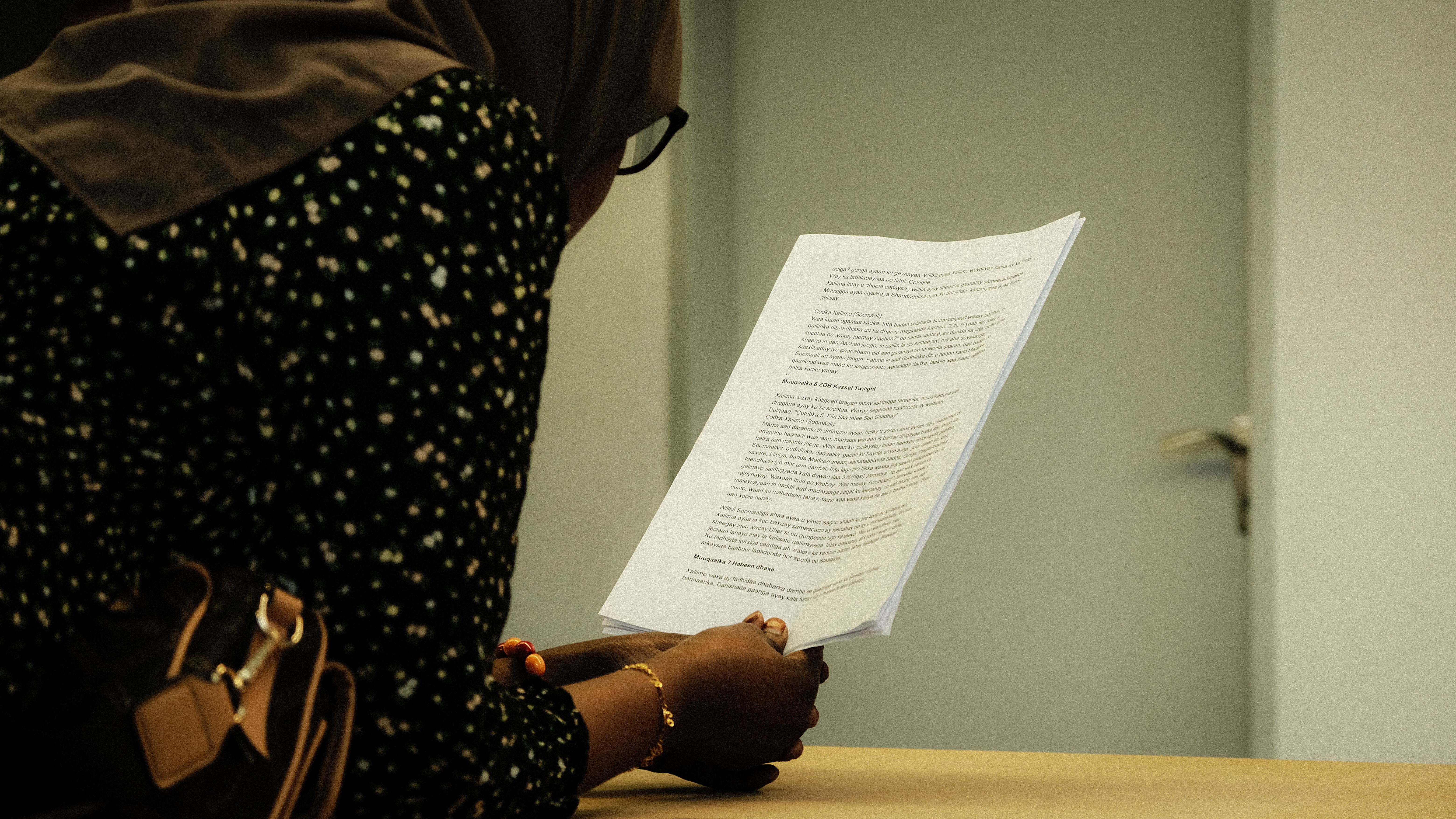
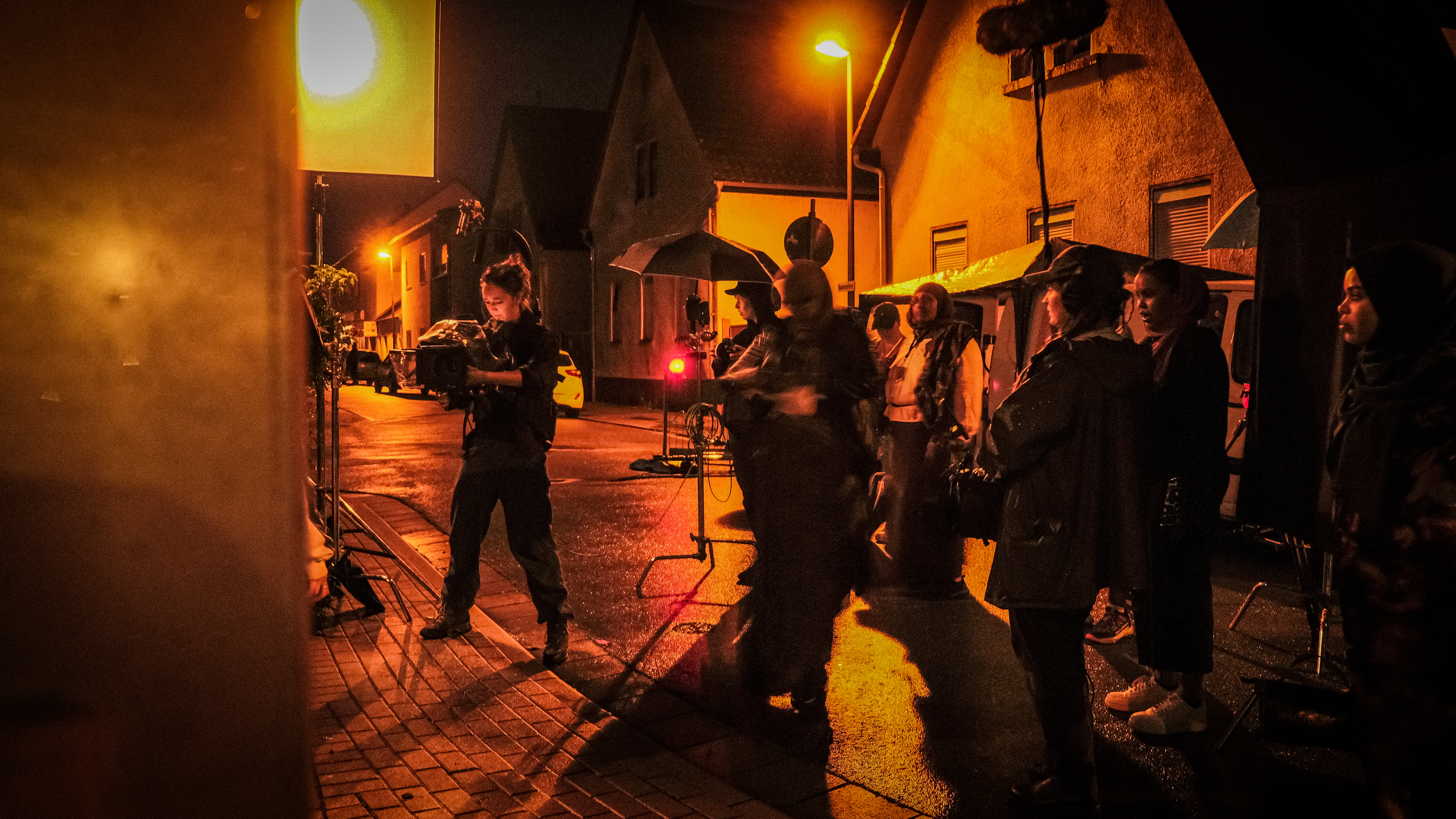
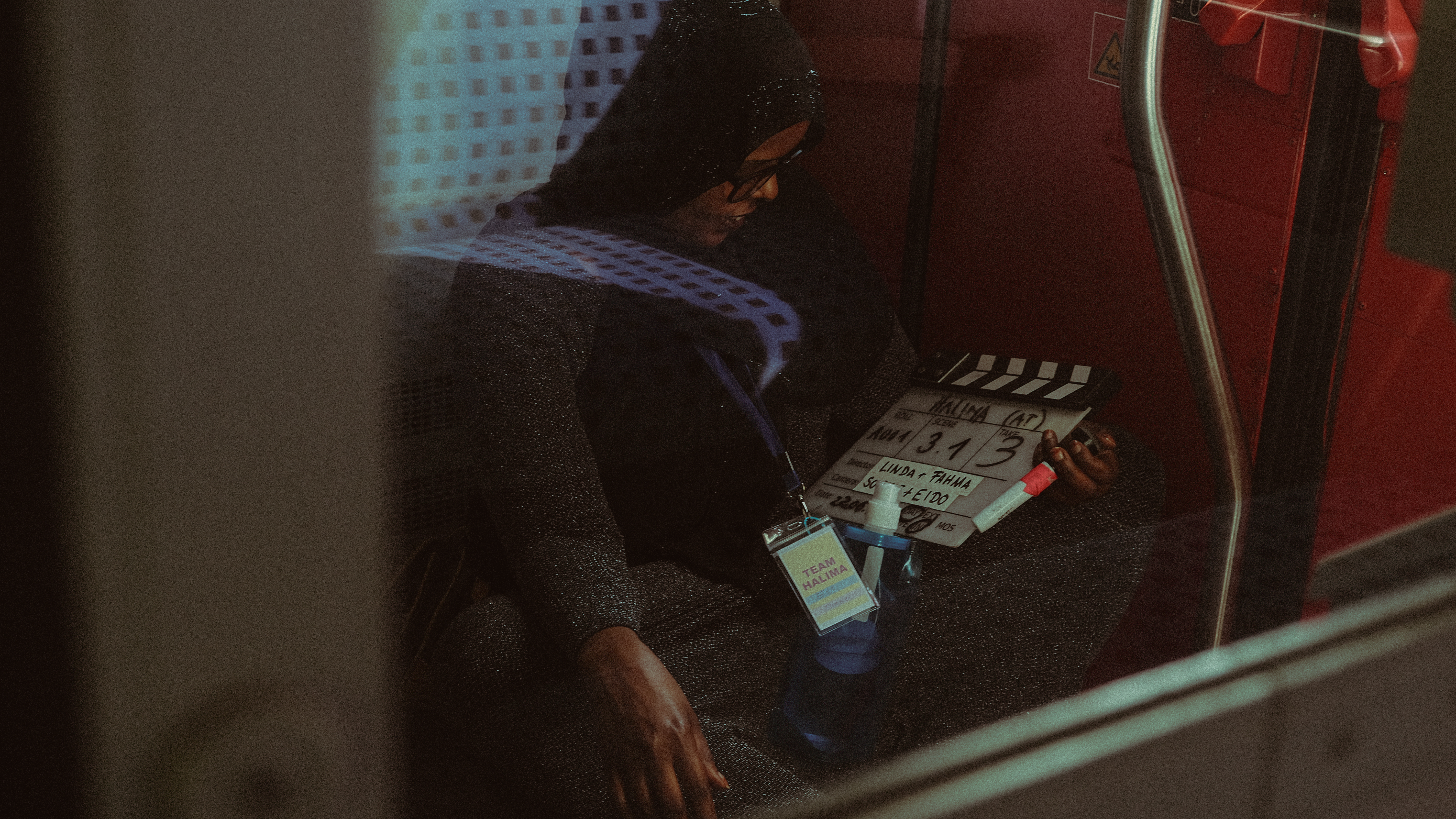
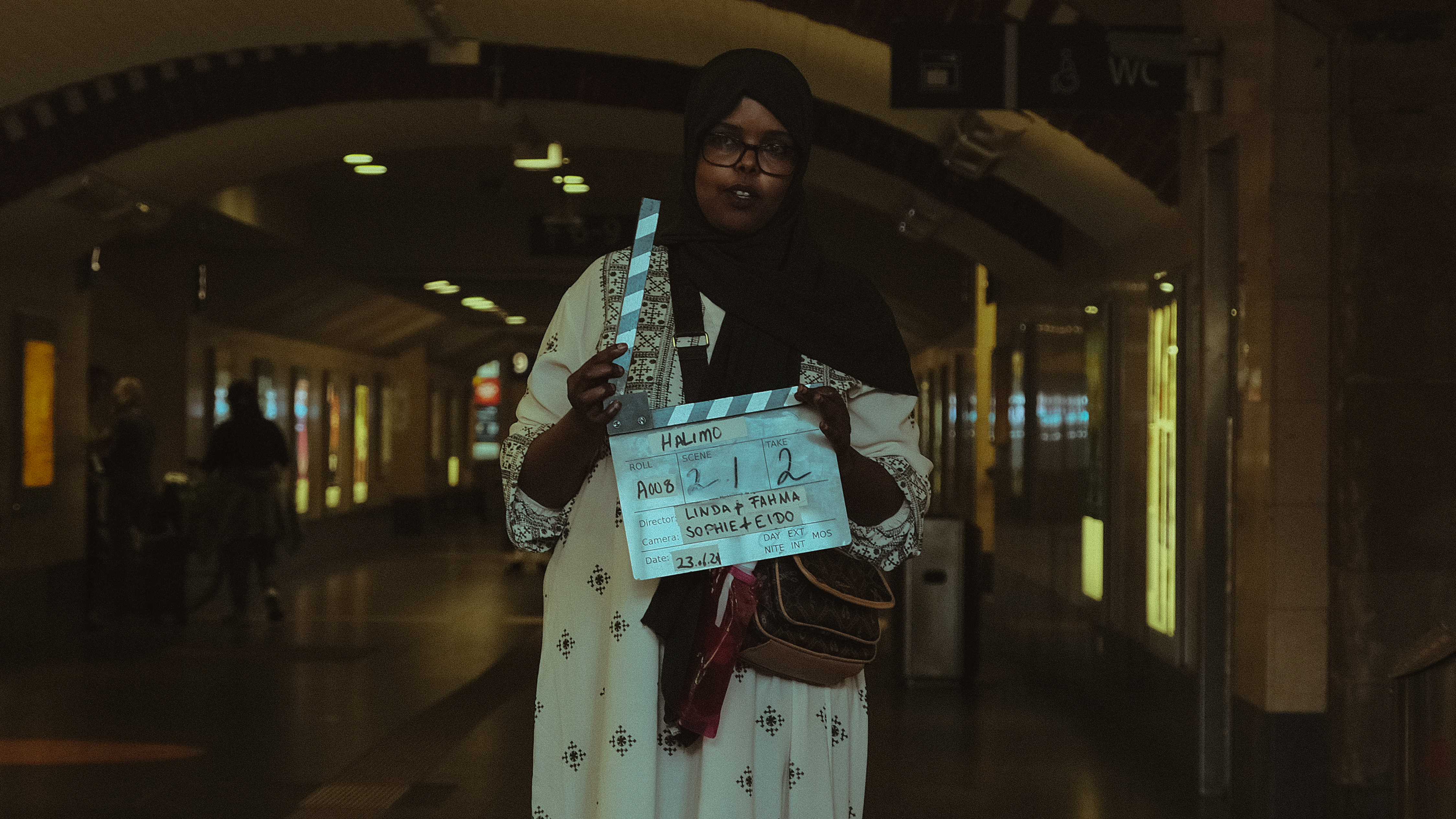
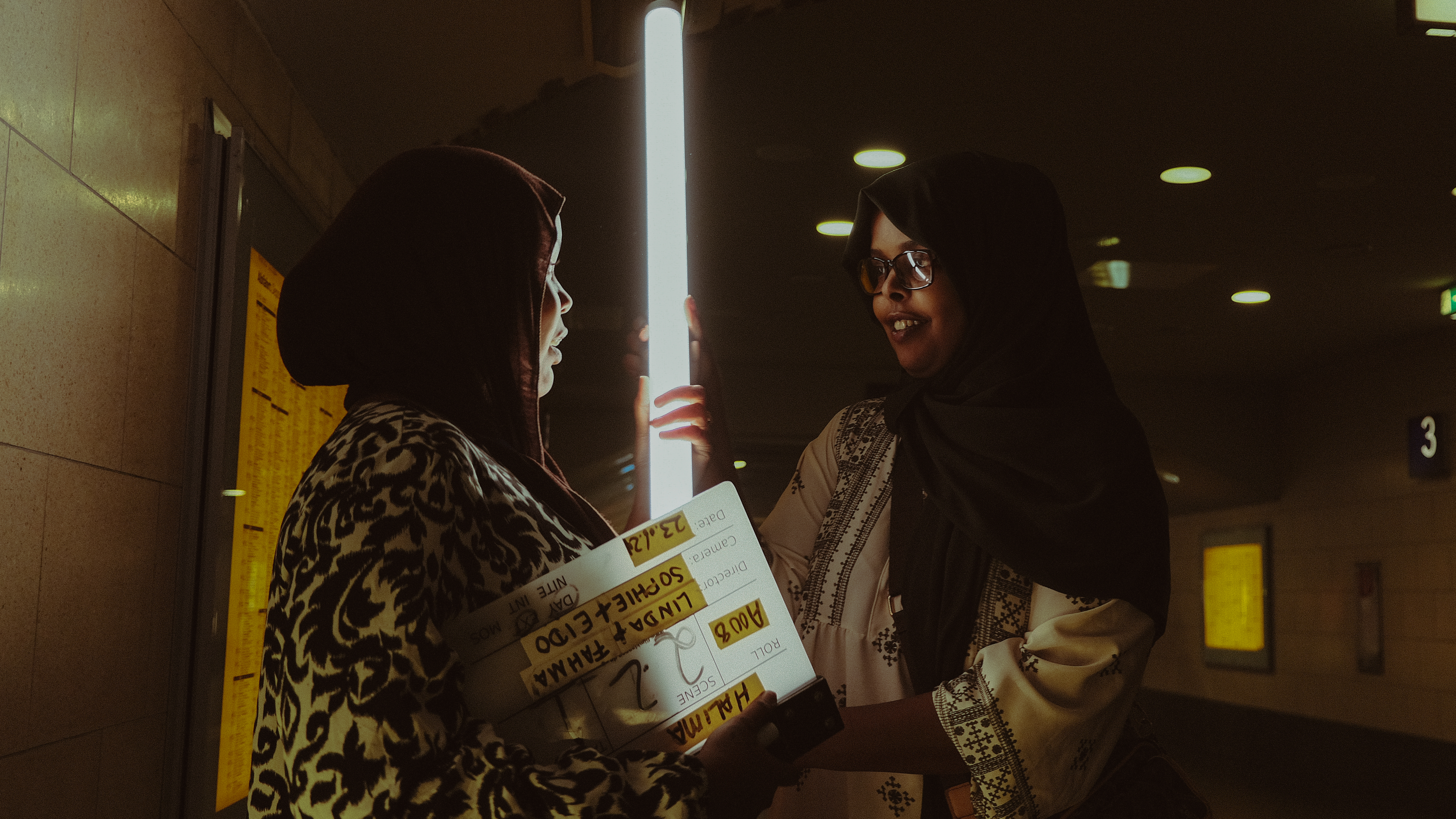
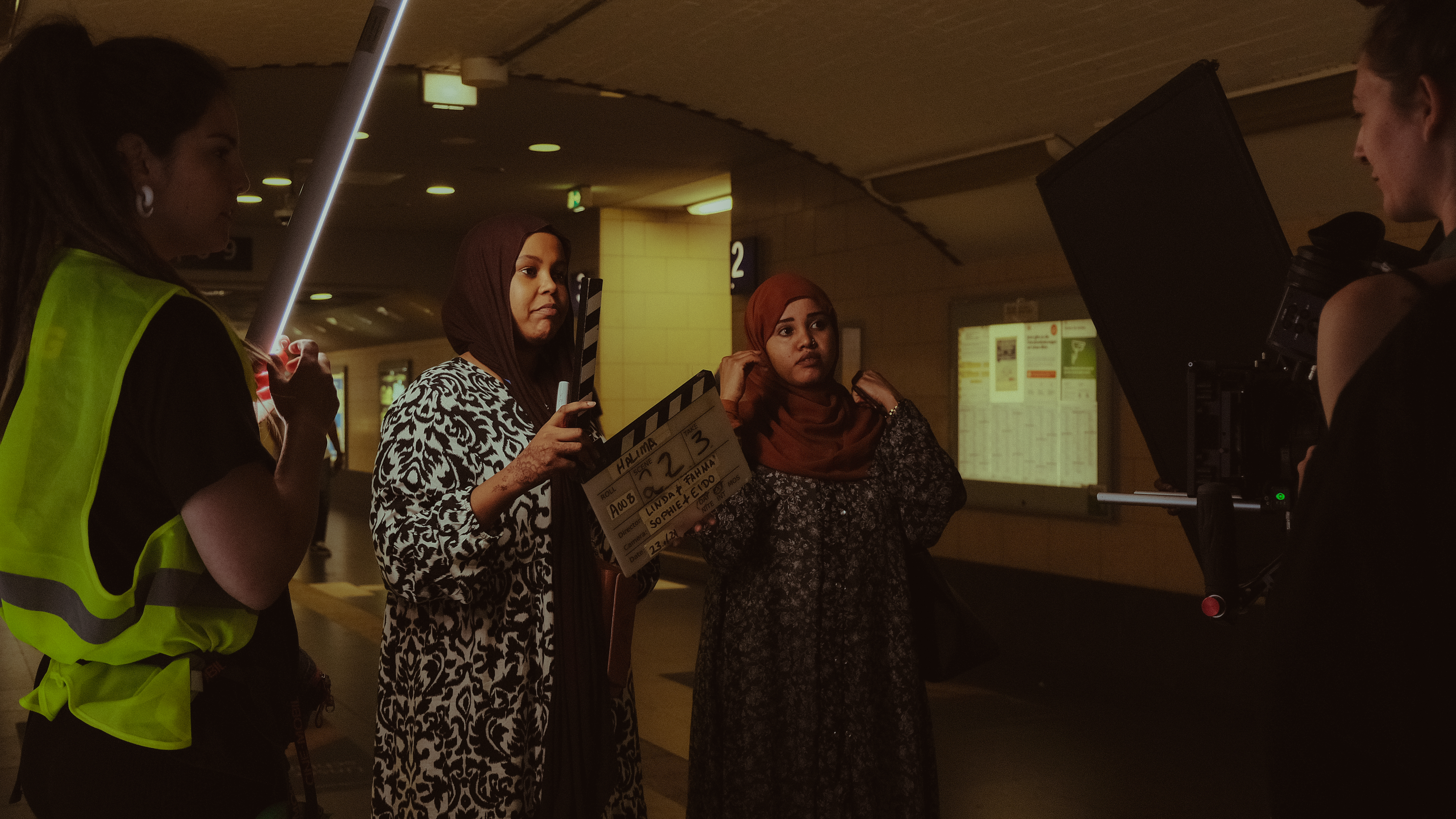
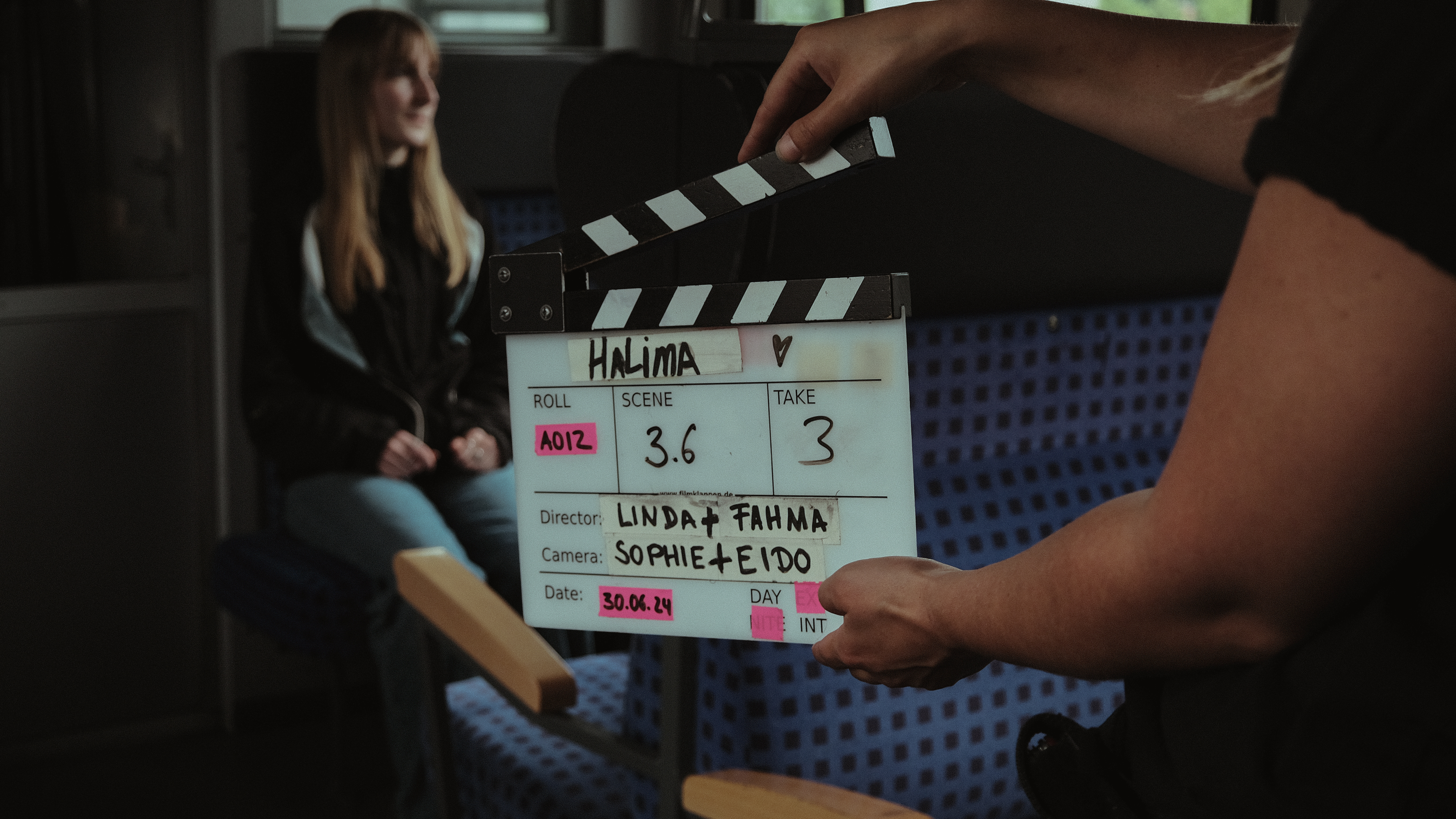
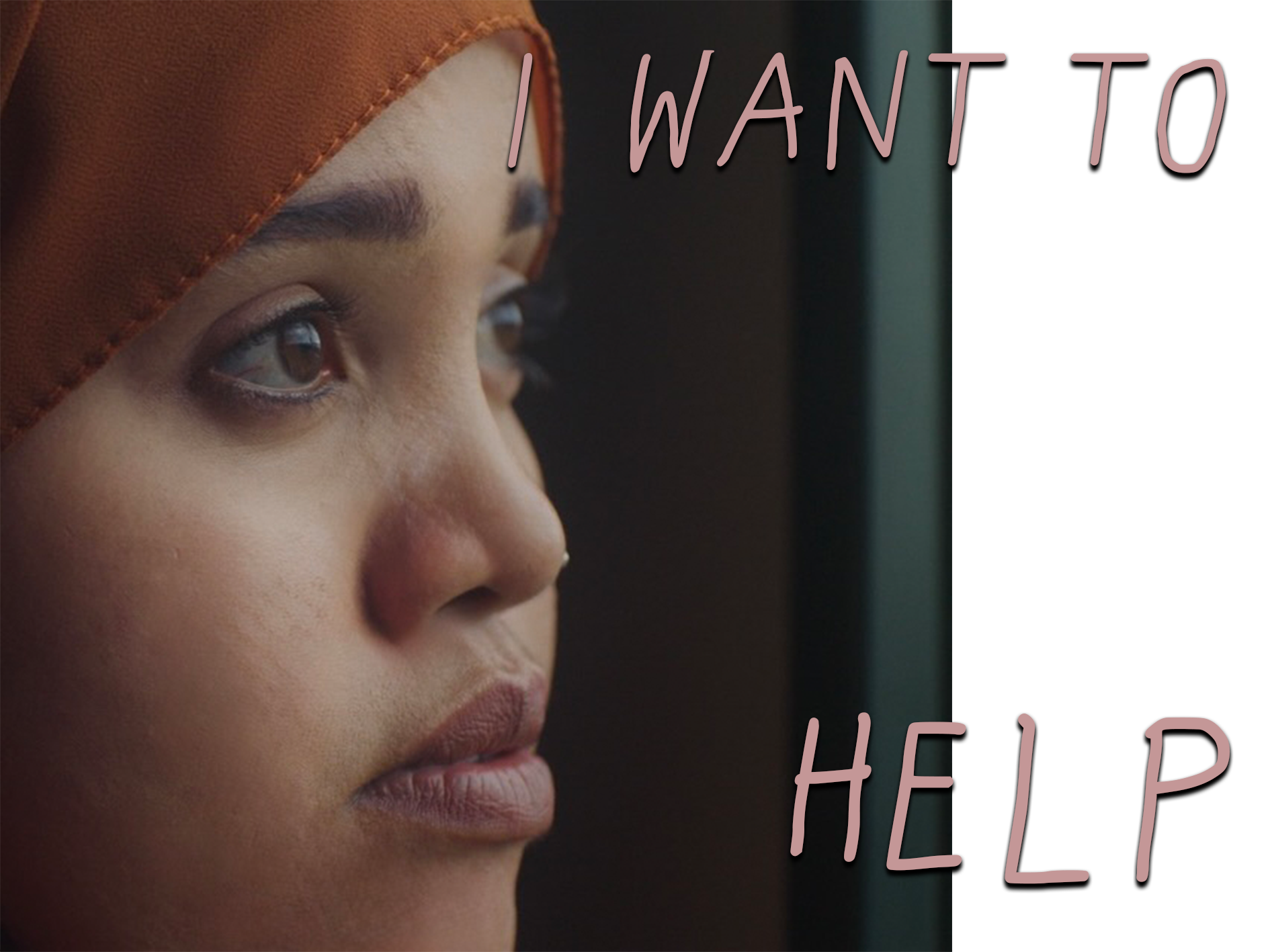
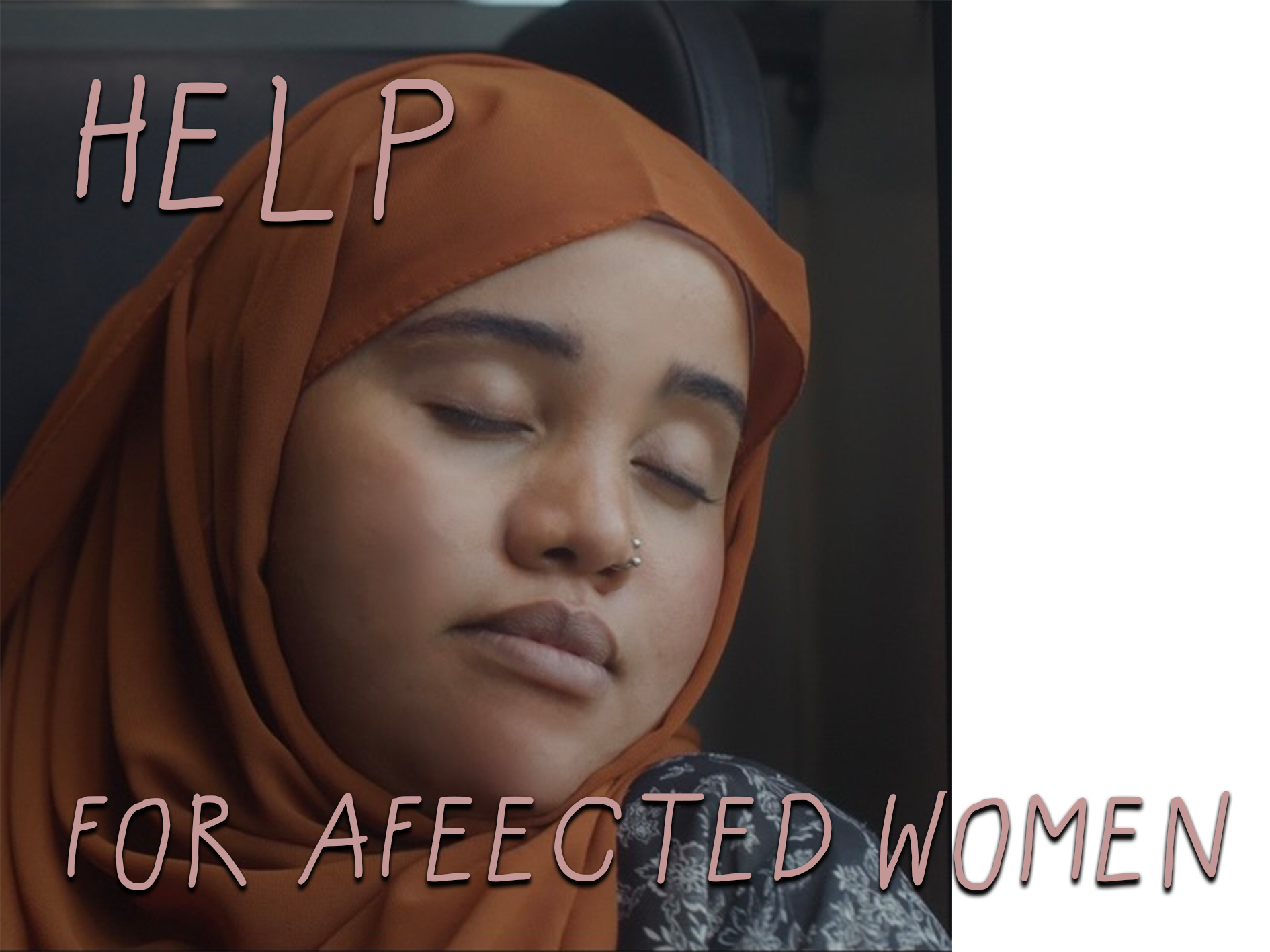
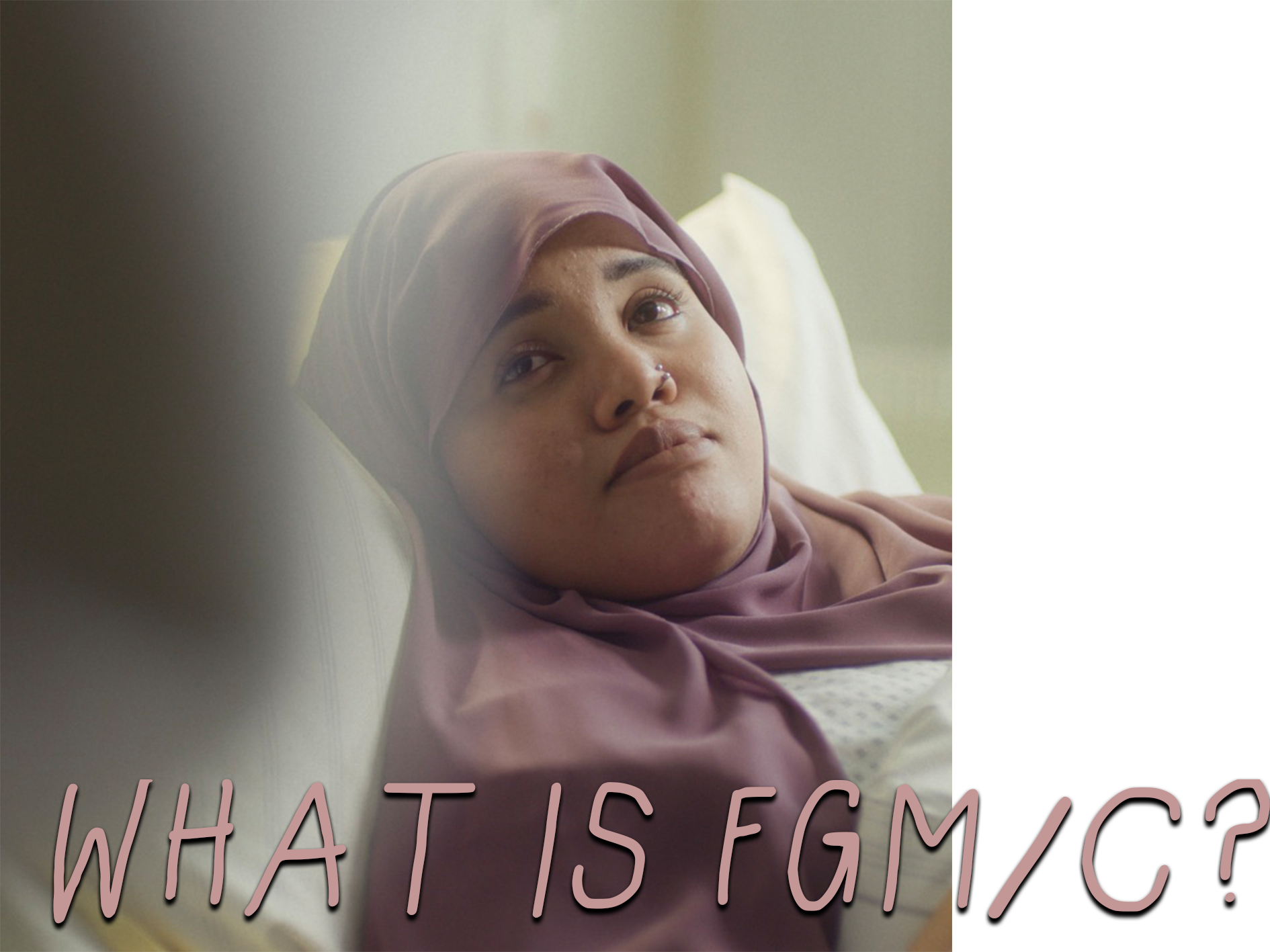
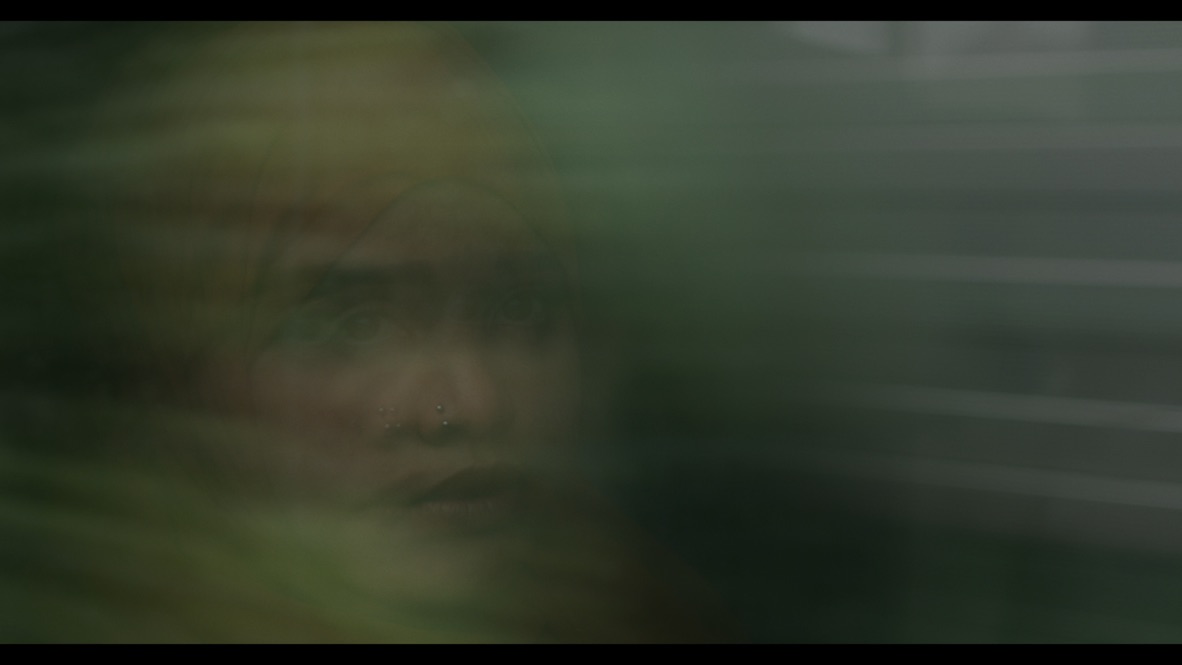
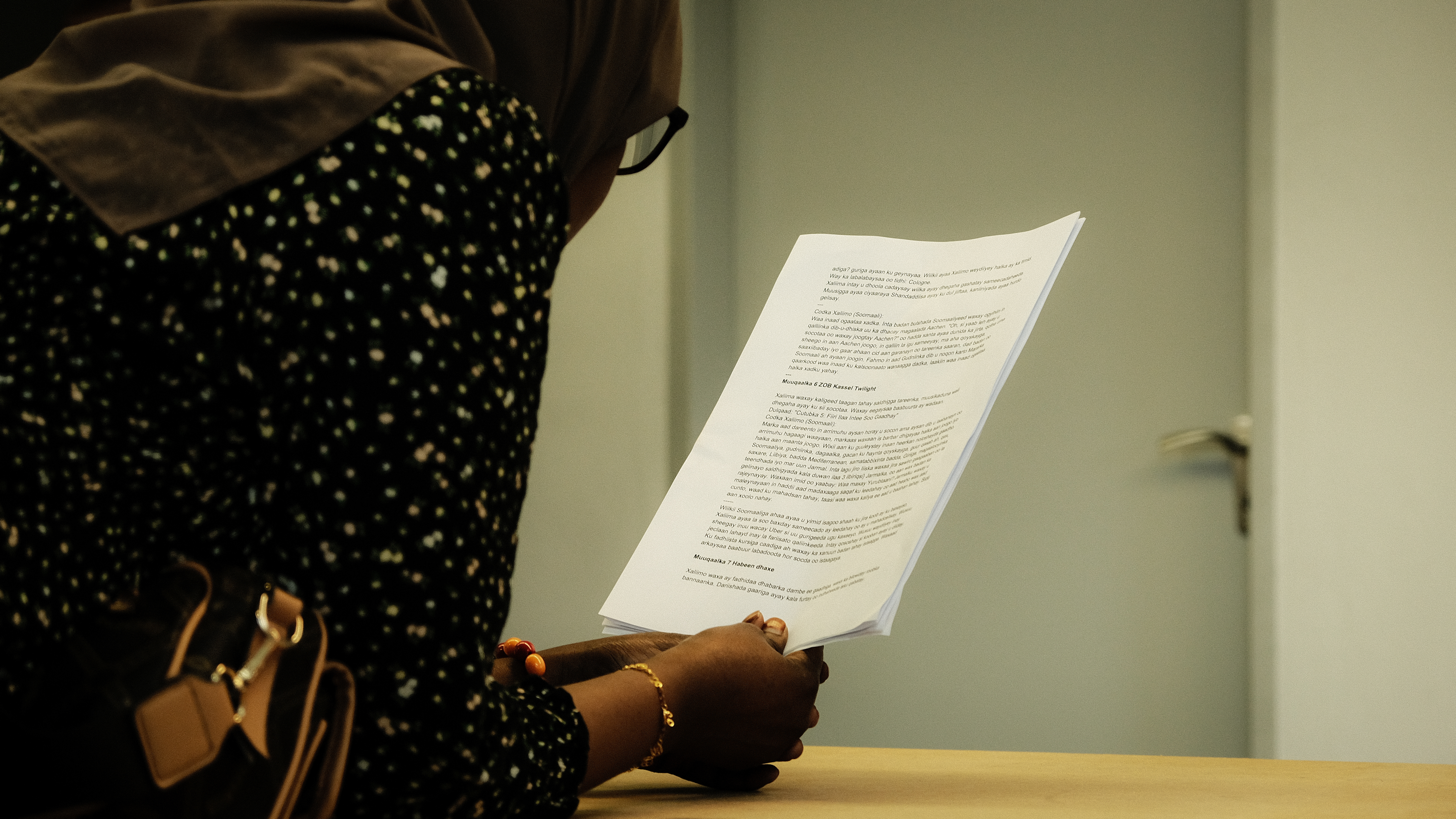
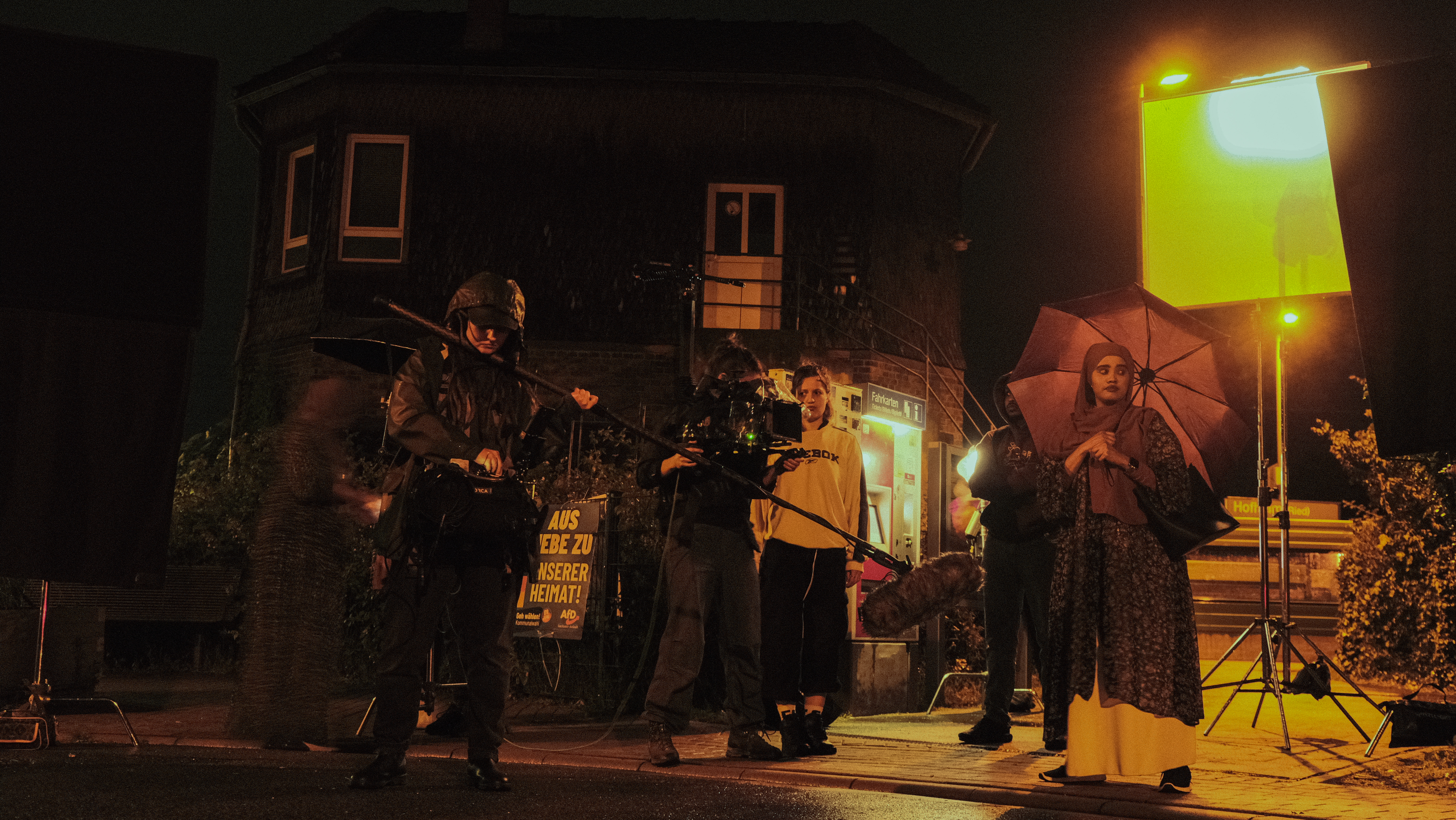
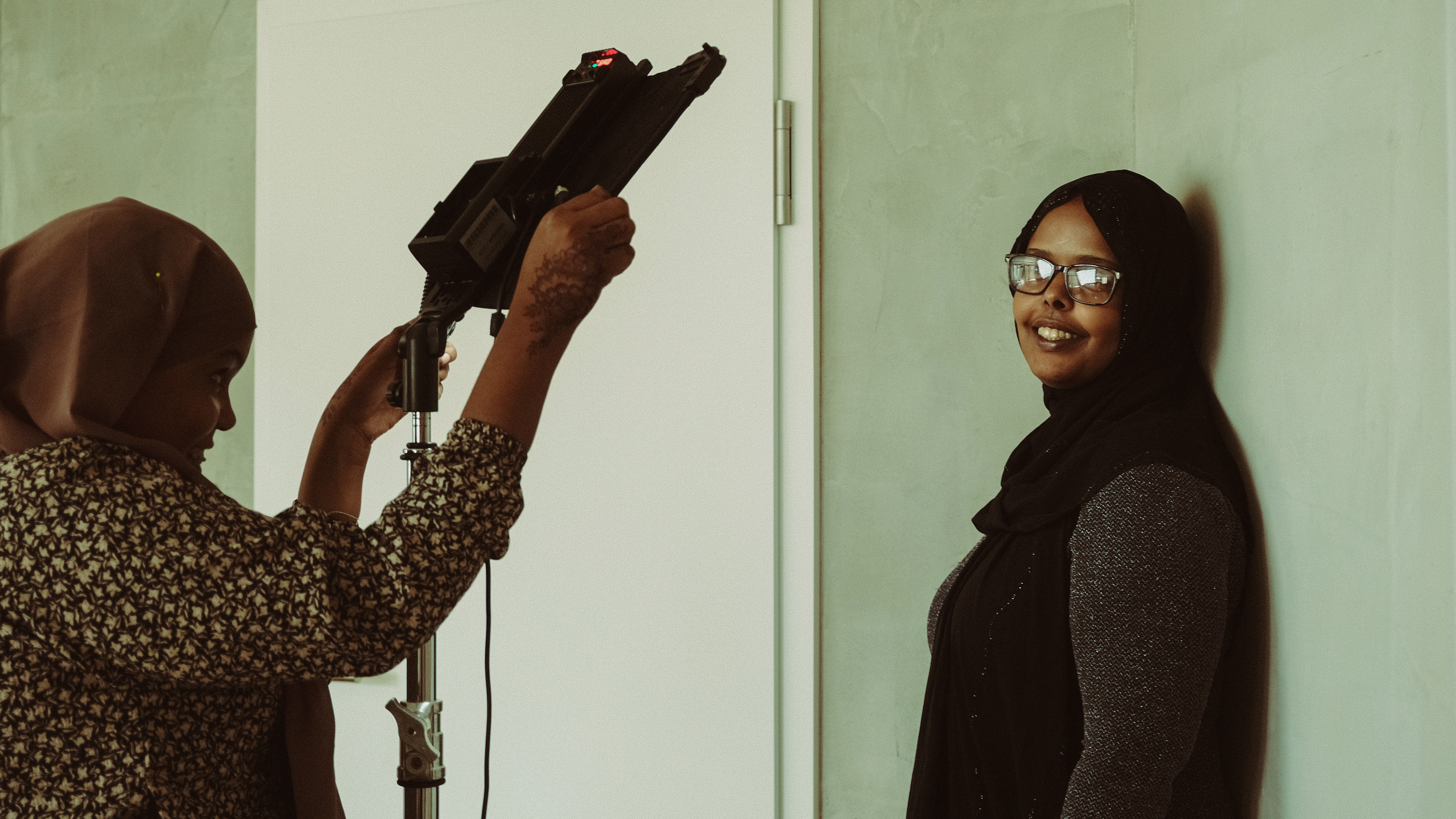
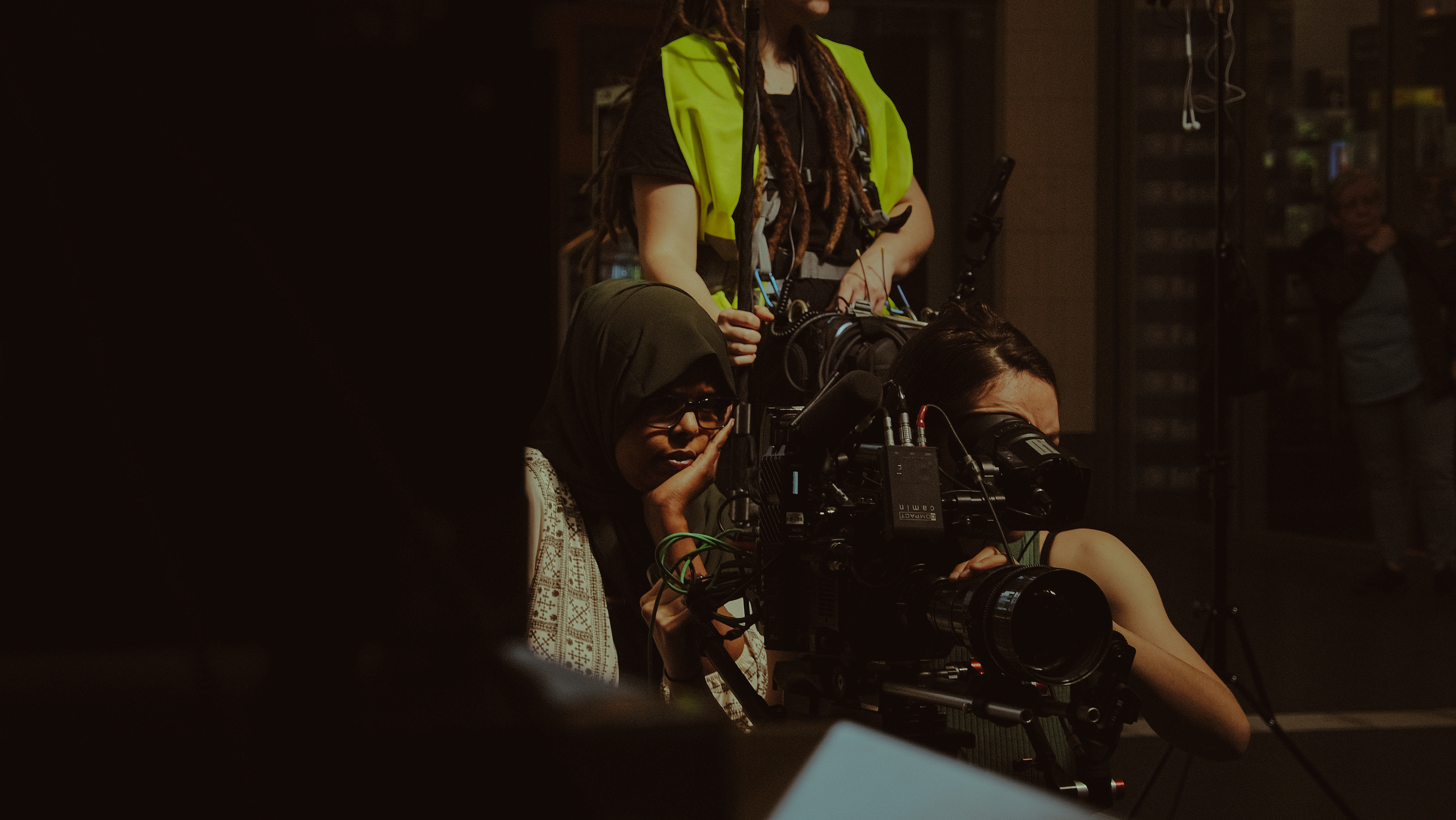
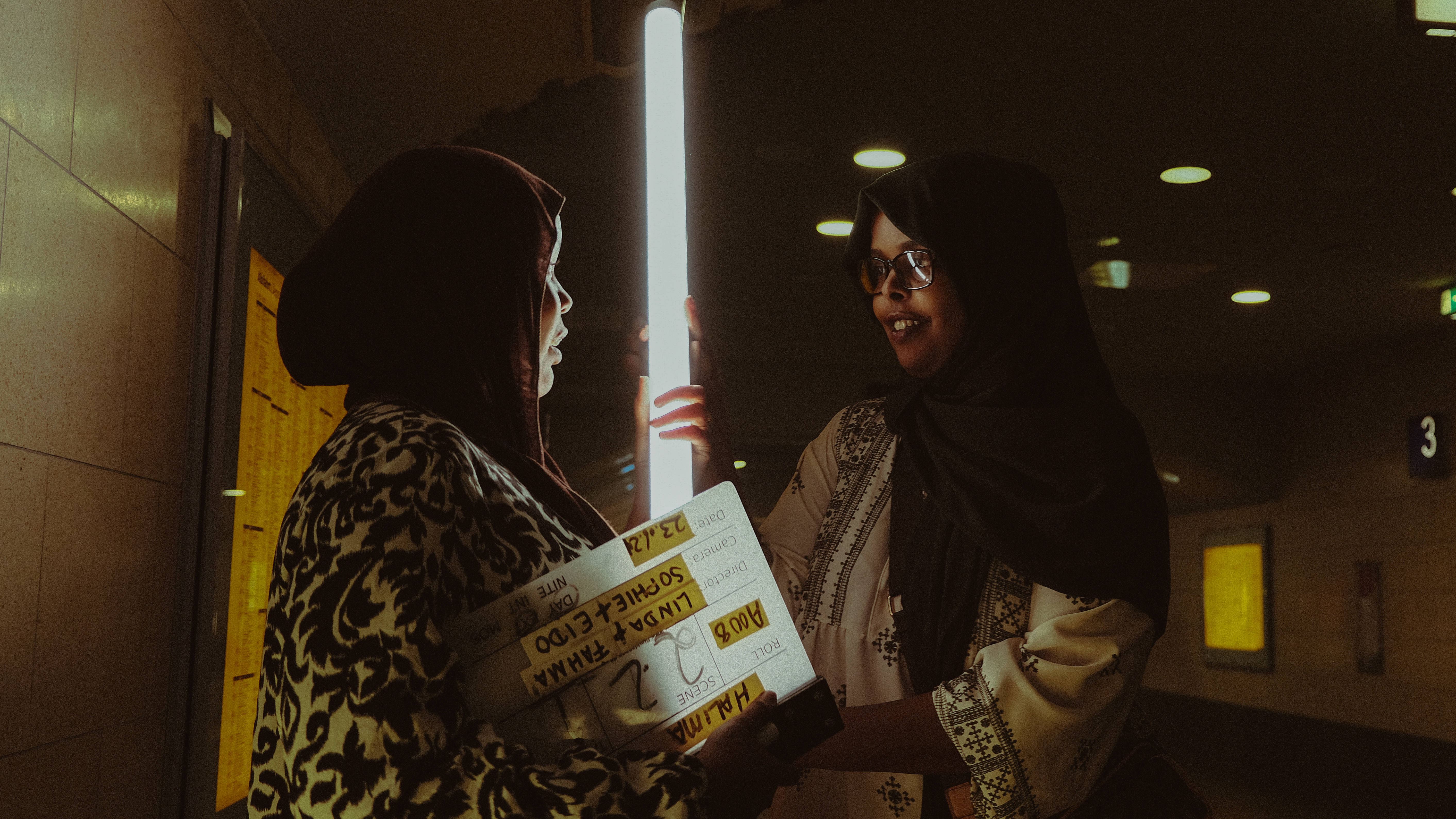
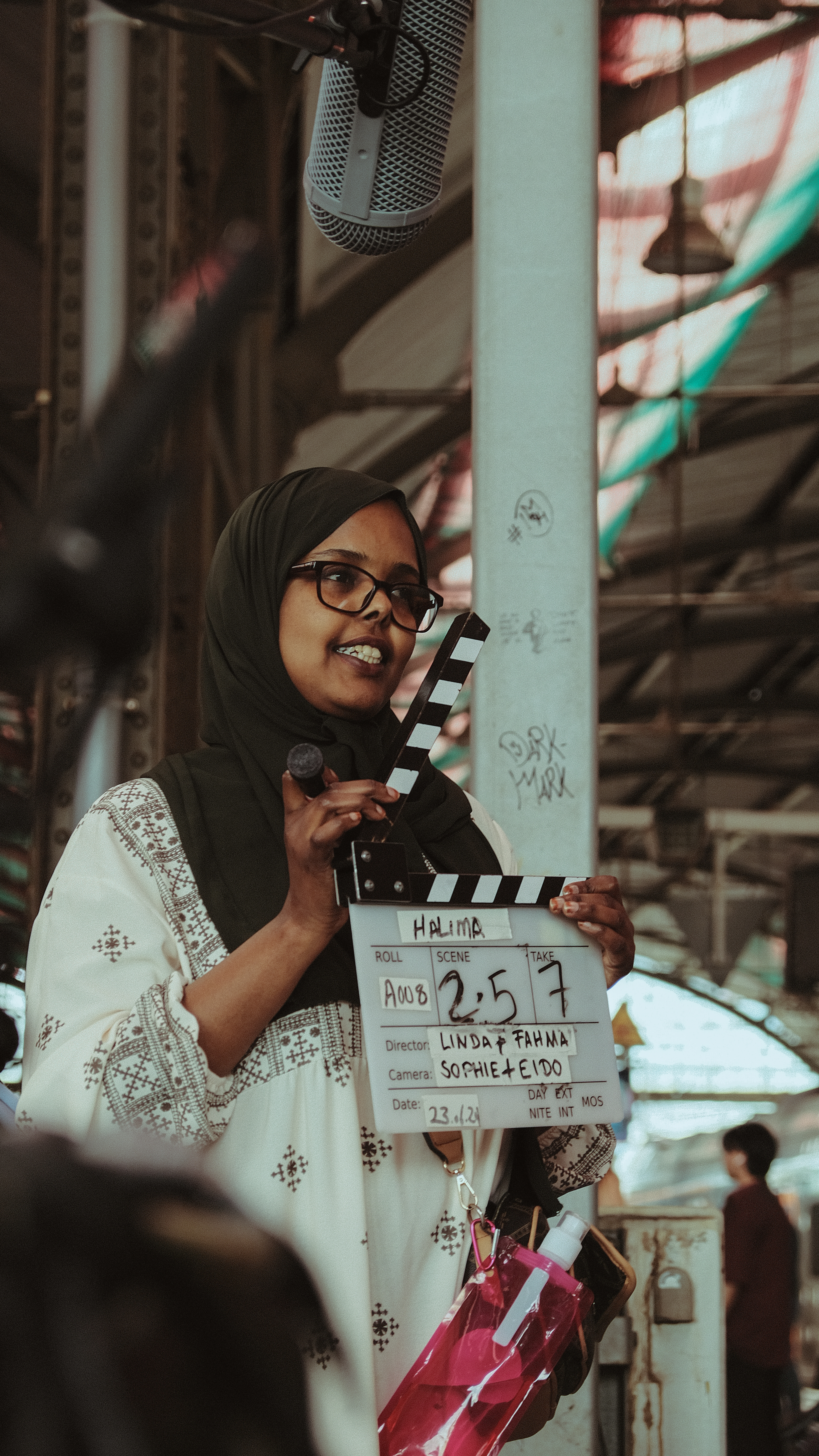
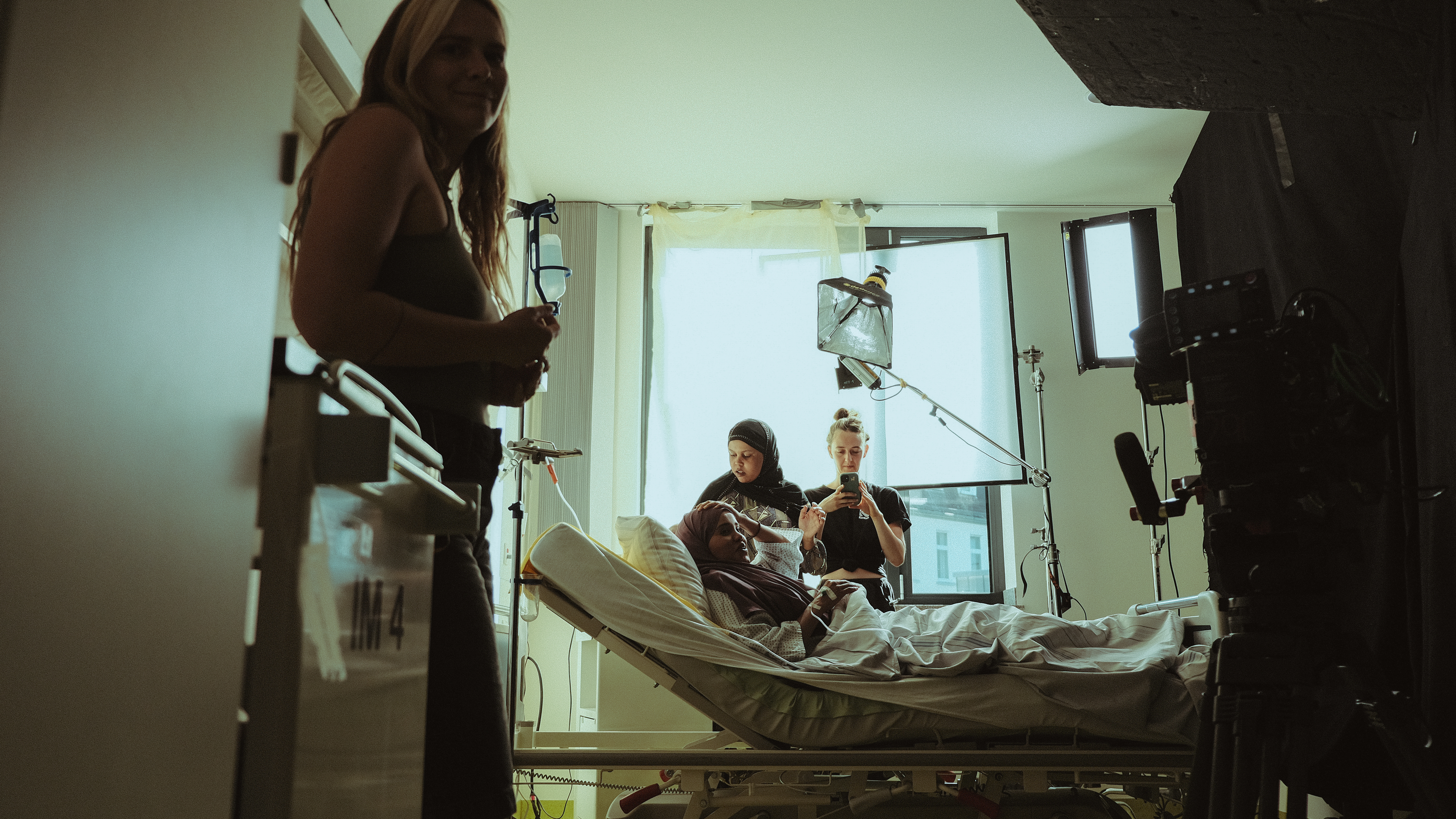
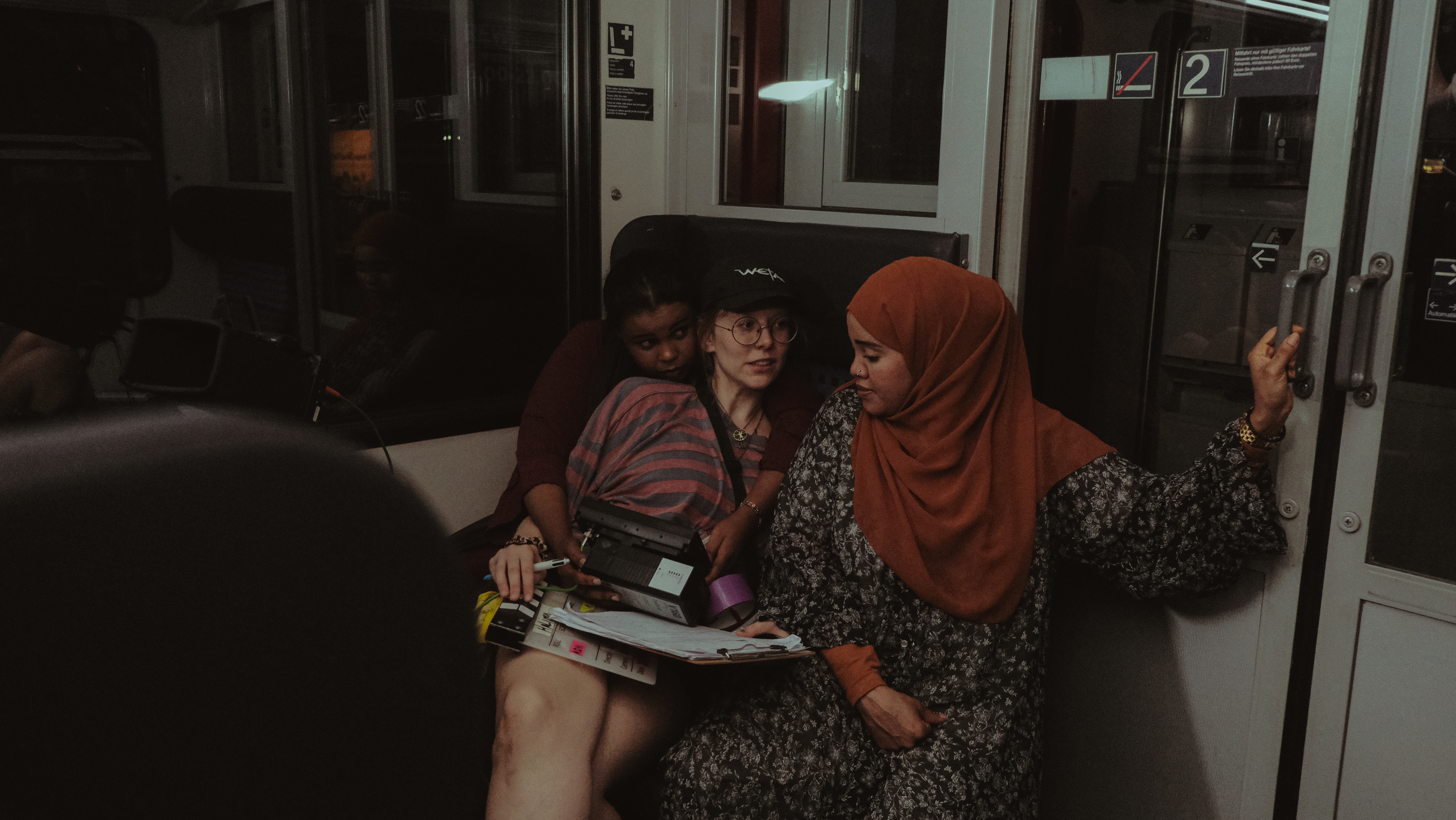
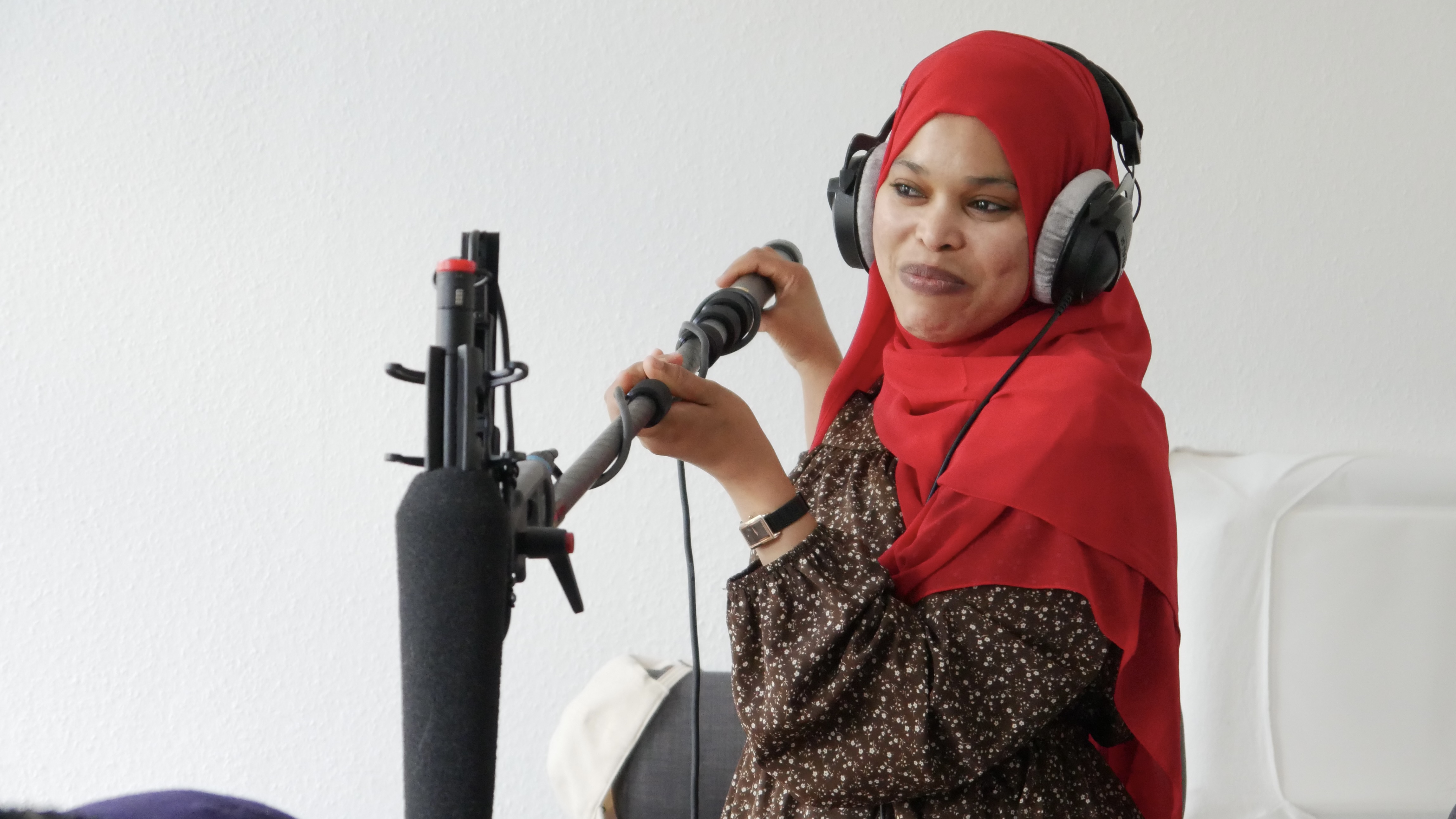
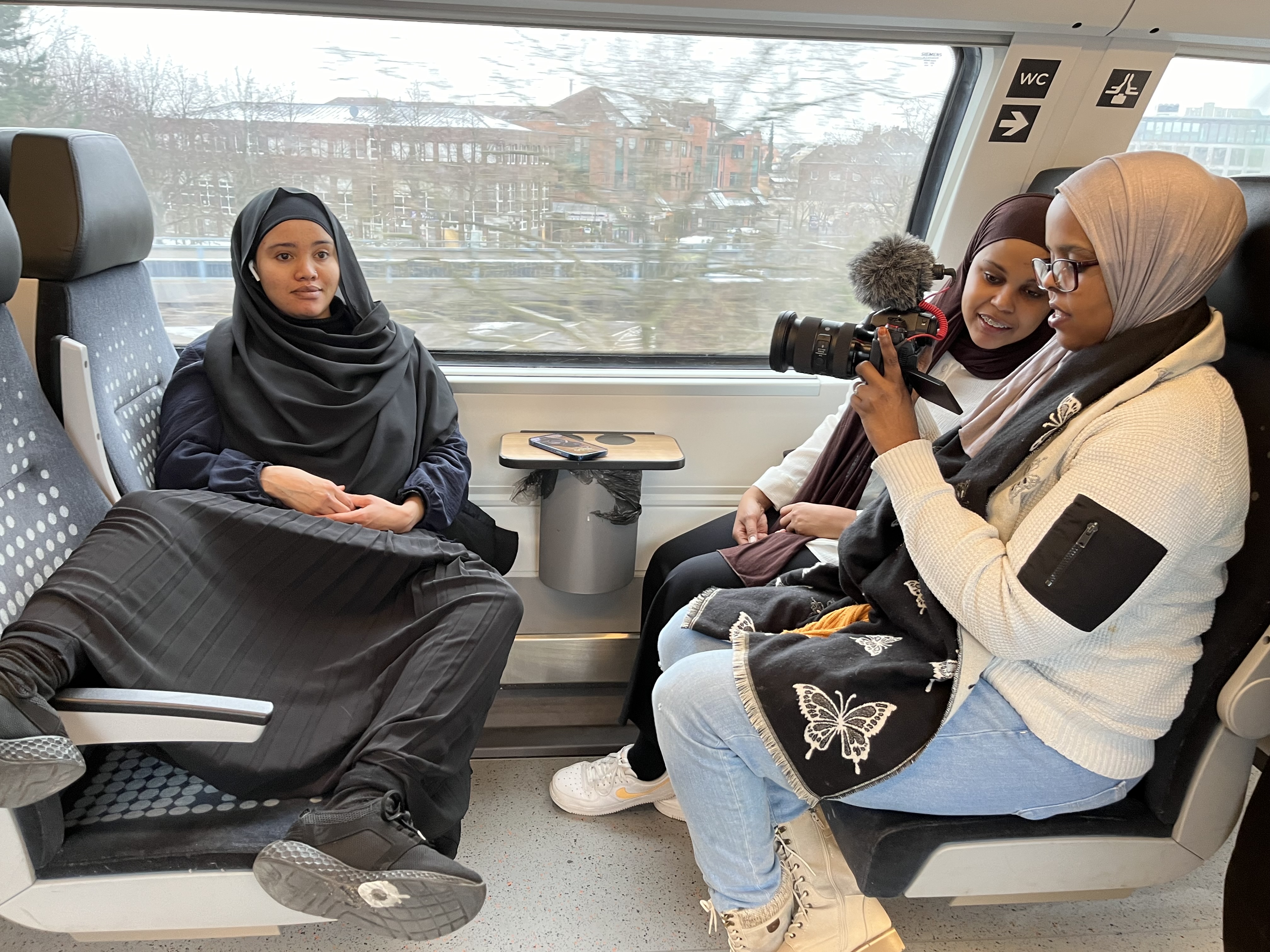
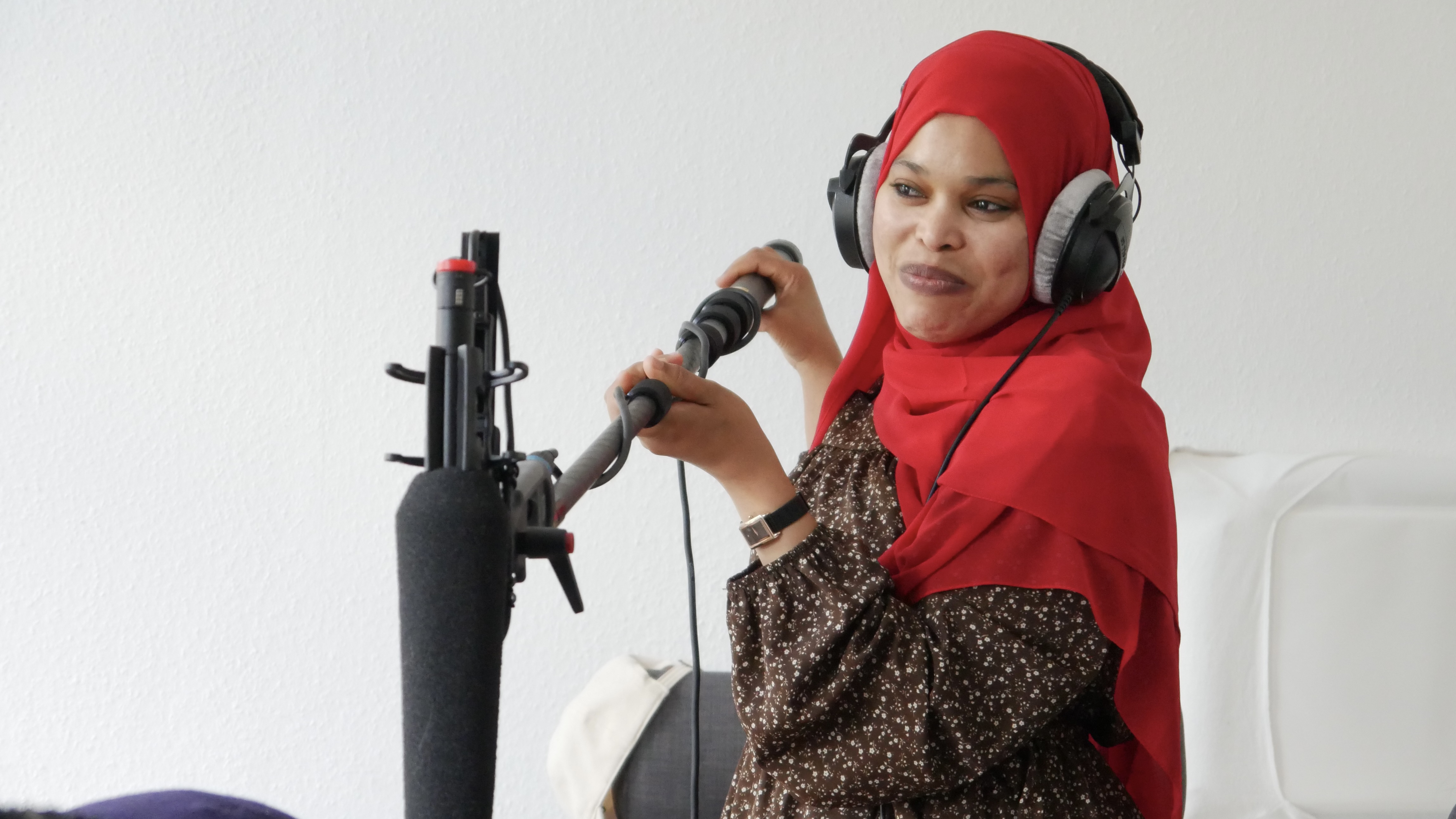
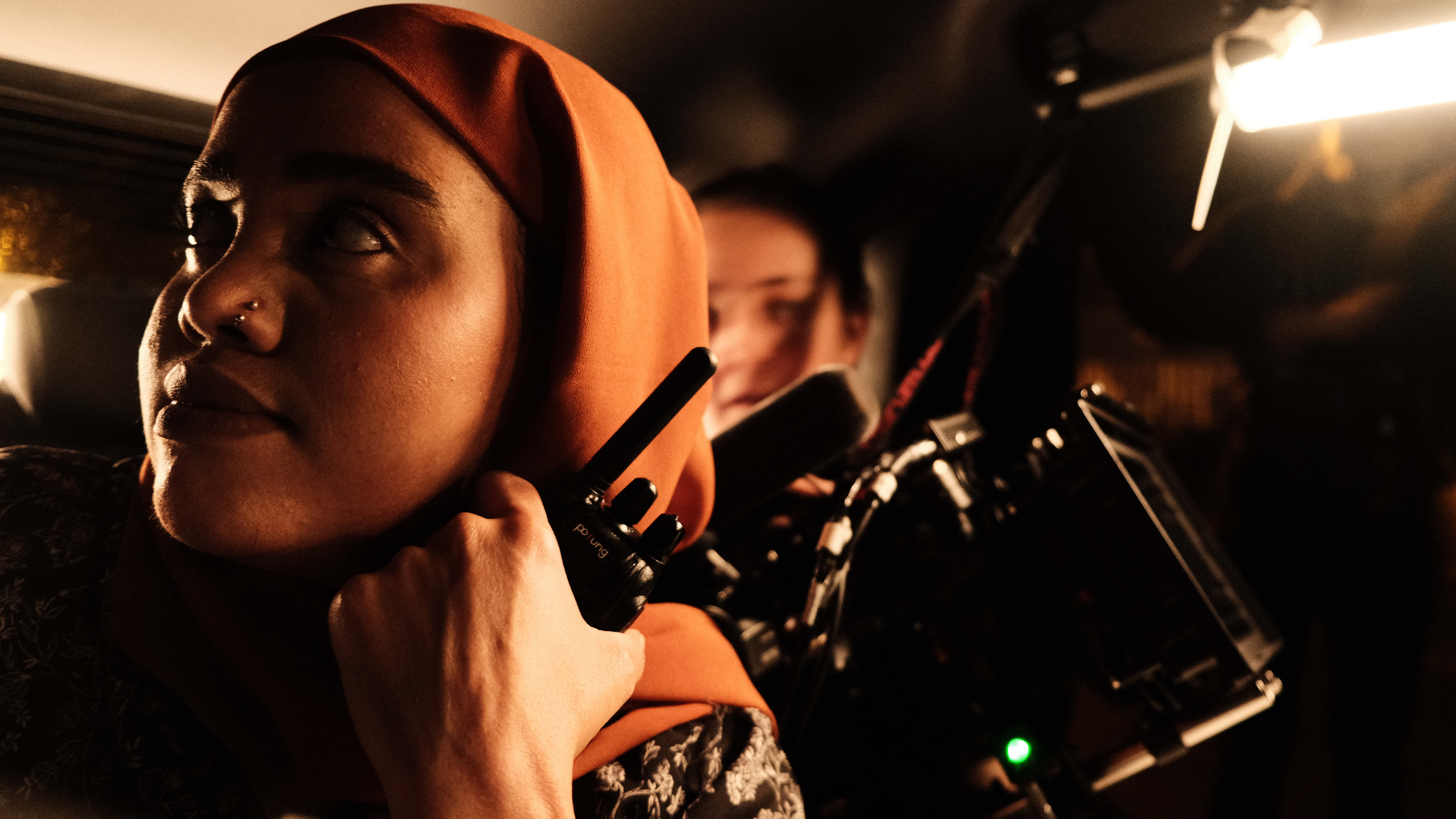
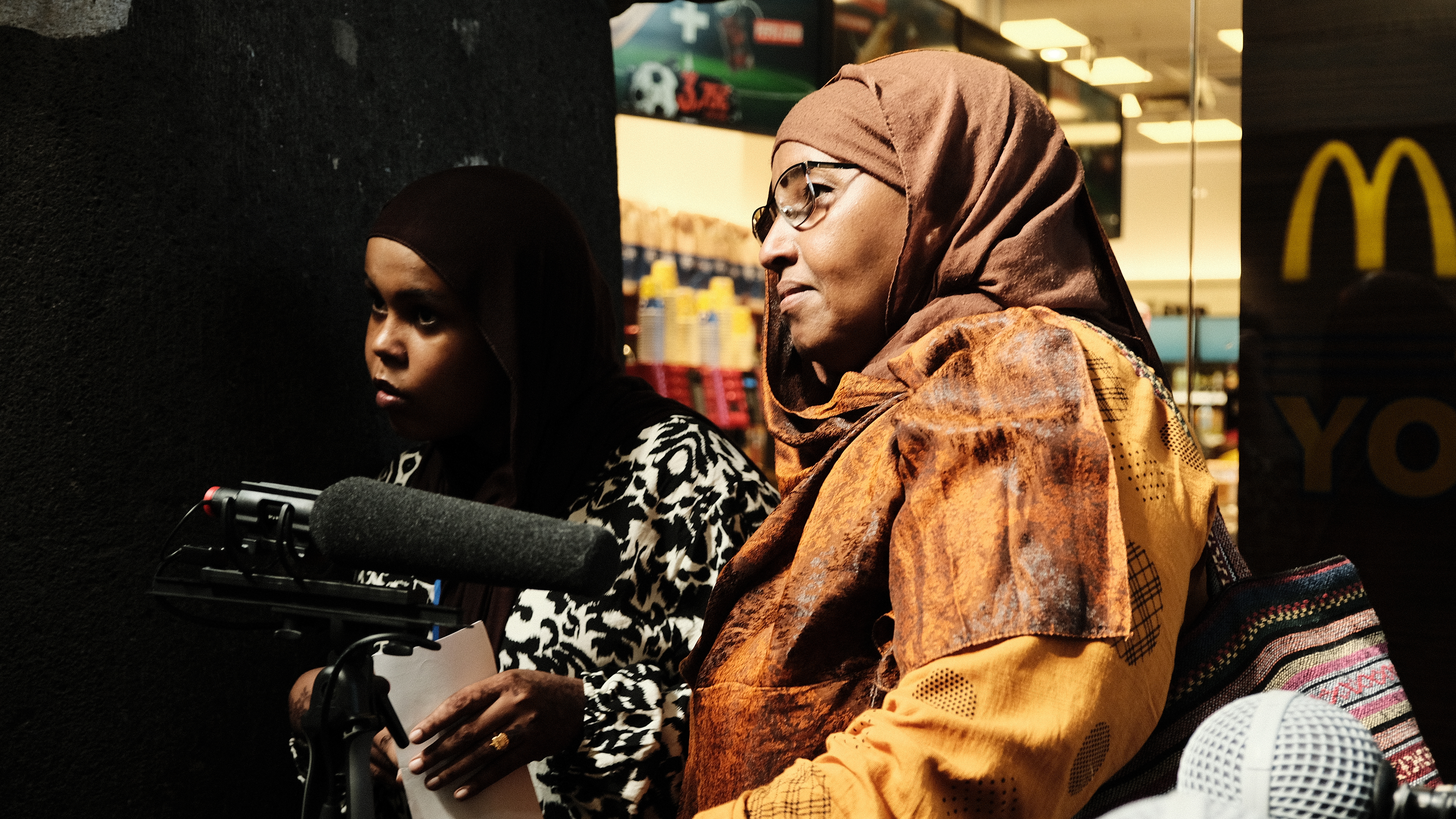
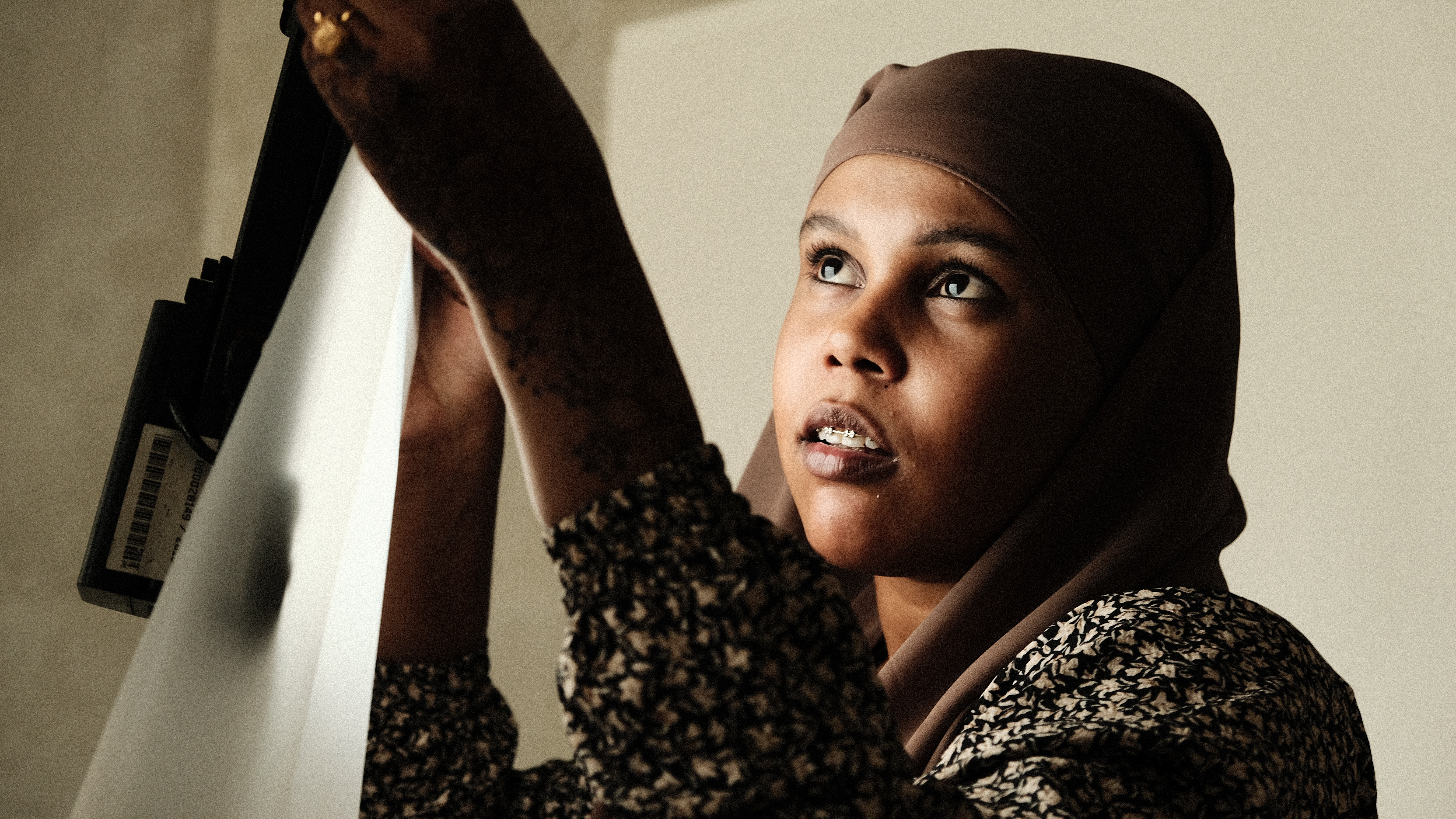
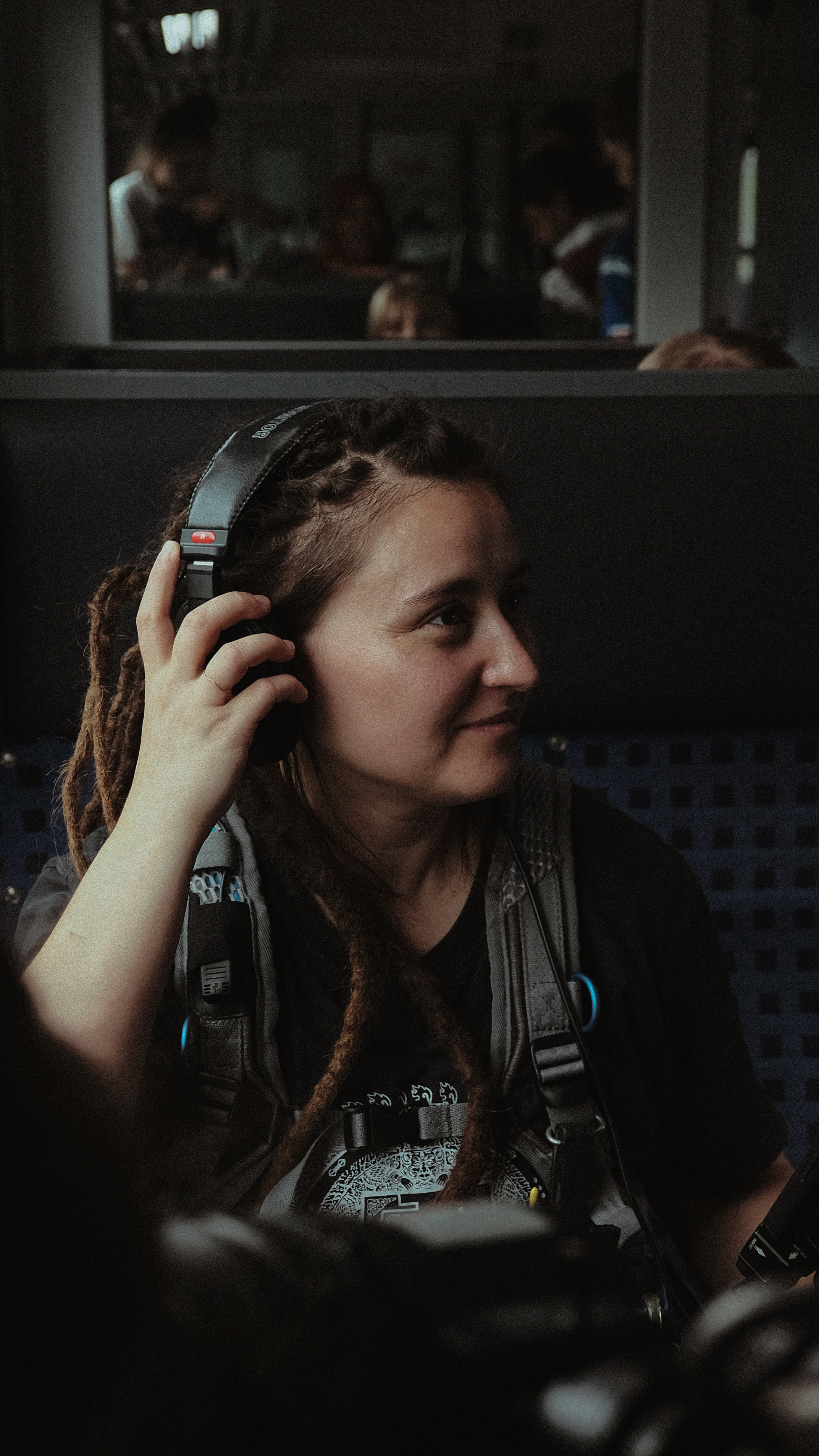
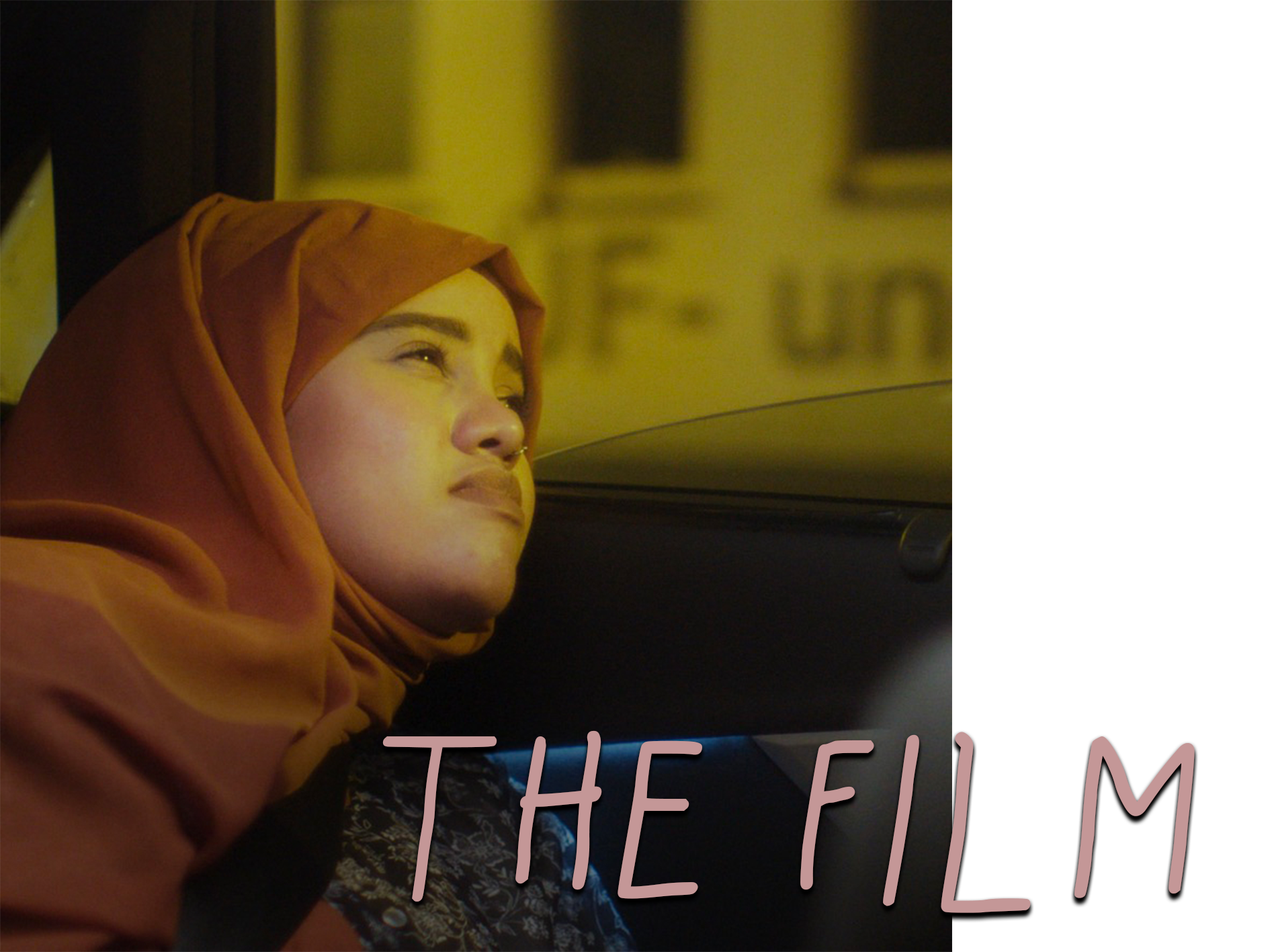
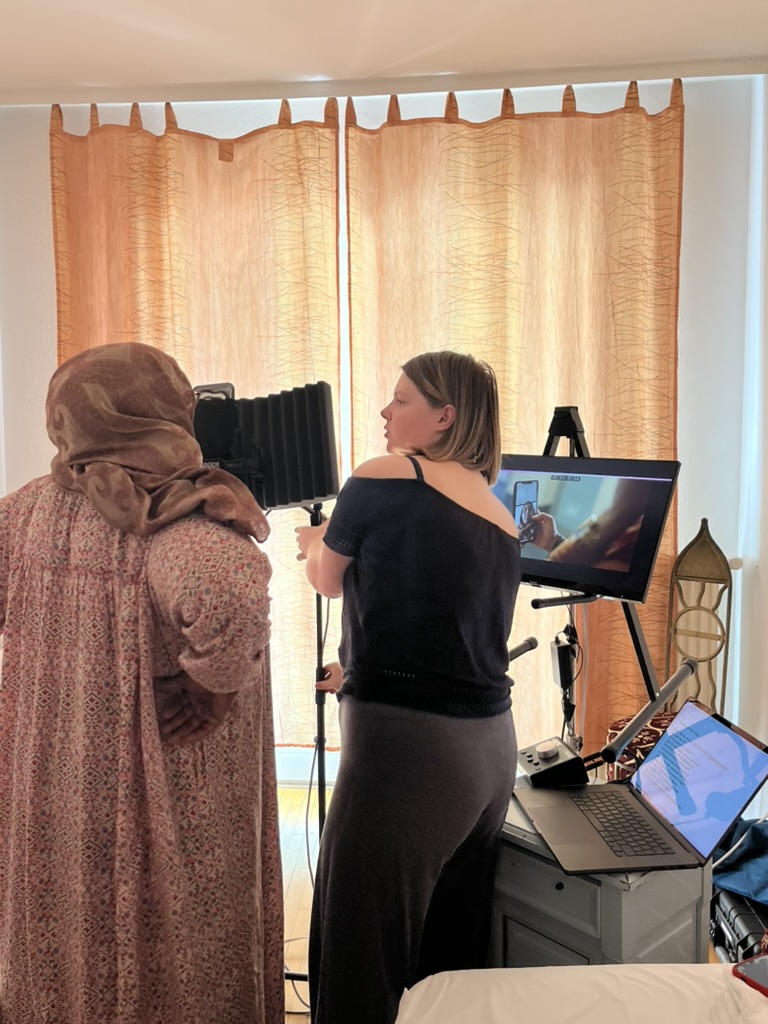
Our film tells the story of Halima, who is travelling home by train after undergoing reconstructive surgery to restore her anatomy after female genital mutilation. During the journey, Halima talks about her strategy for staying strong in a different situations. The journey becomes a metaphor for her life: with her guide to being strong, she has already mastered many stages – in the war in Somalia, during her flight, on the Mediterranean, in tent camps in Italy and now here in Germany, with the pain of FGM as her constant companion. Finally, she arrives at a refugee centre, her temporary home. There, she finds no place of refuge, no peace and quiet, and no good conditions for healing. In this docu-fiction format, five women affected by FGM recount their own experiences as a collective story, drawing on their expertise as experts in the reality of their lives. They worked behind and in front of the camera, in the development of the script and visual concepts, and in post-production in cooperation with film students.

Our film is not just a film

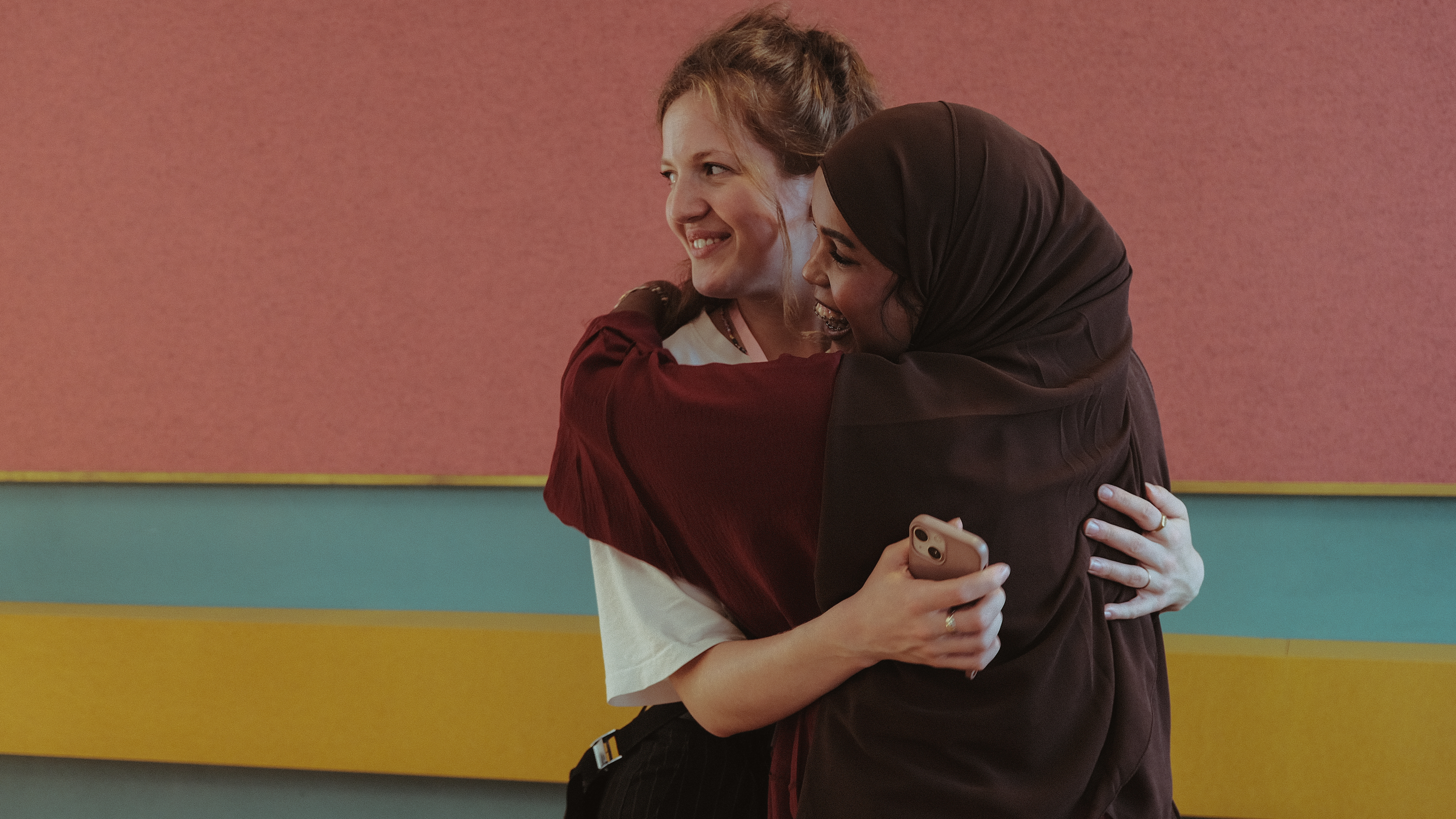
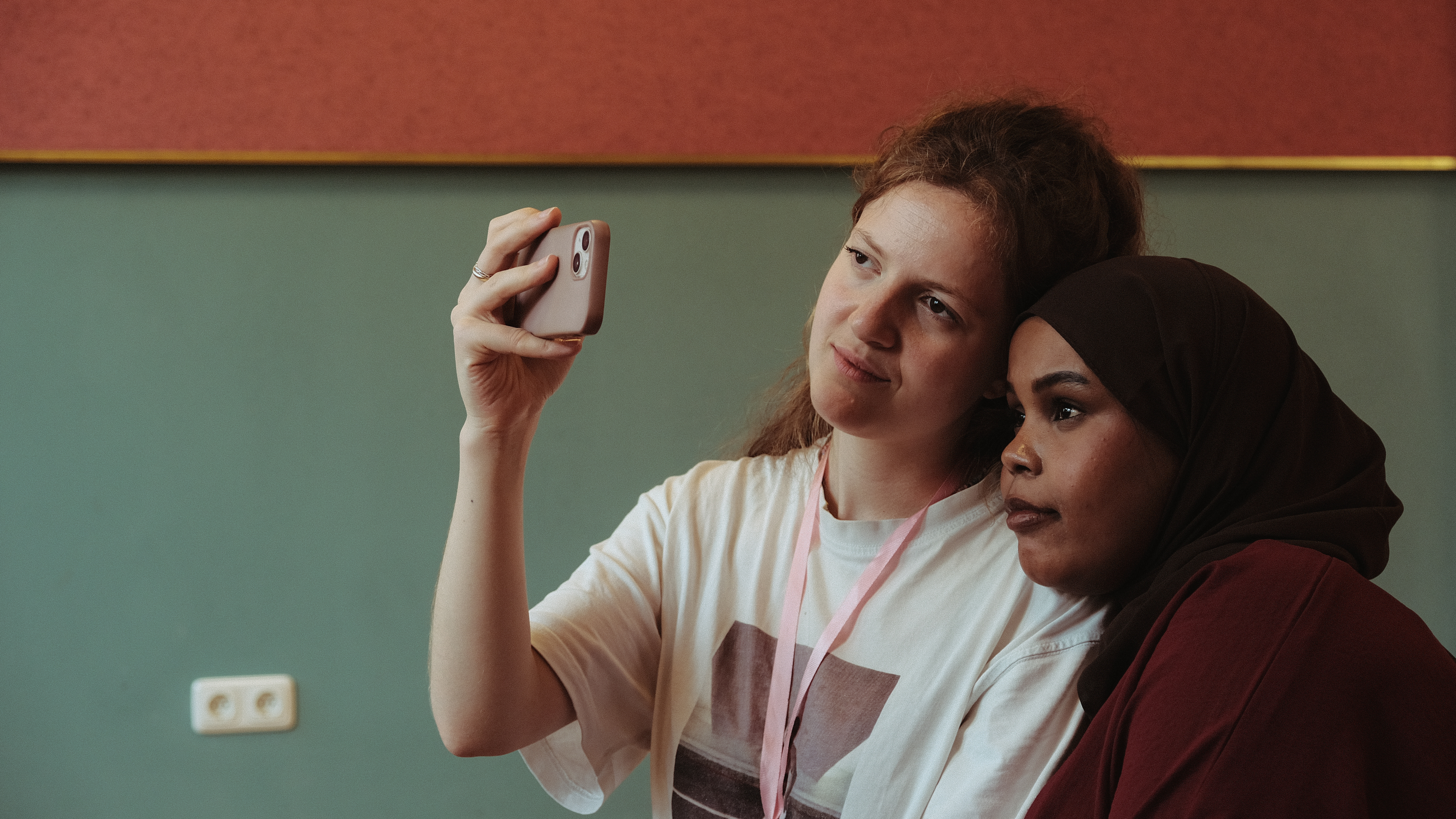
"At the beginning of this project, I felt like I could never talk about FGM. I was afraid of Germans. Today, I am a completely different person. In this project, I found sisters, German and Somali, who have experienced the same things as me, or who listen to me. For 1.5 years, we were given a stage. I am no longer afraid. I want to show this film; I want to encourage those affected. Our film is not just a film. It is our foundation, on which we can continue to build in solidarity and stand up against FGM and for women's and human rights." – Jawahir from the Halima Collective

Halima – a collective figure

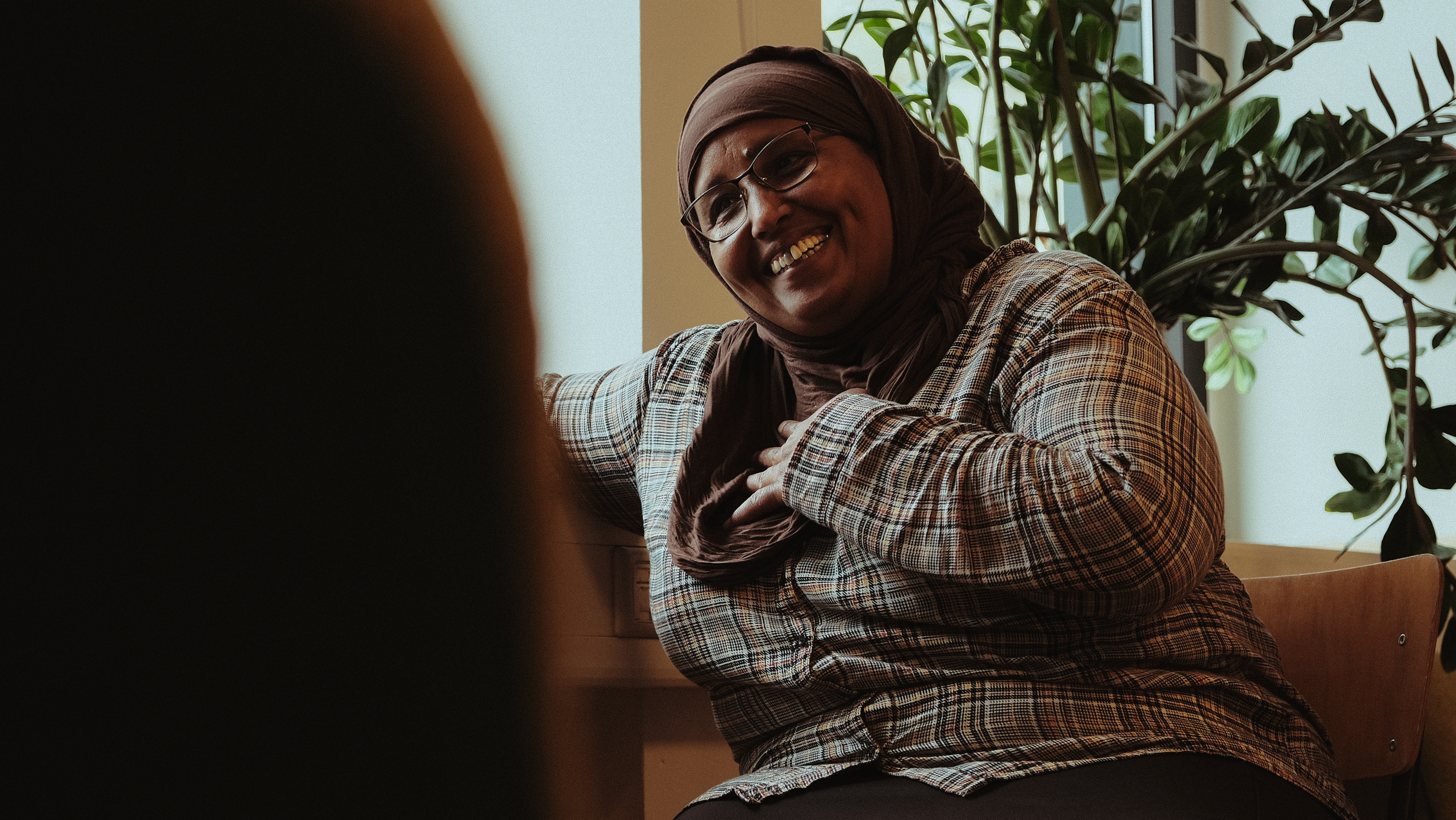
‘We have all experienced Halima's story. You could say that all five of us are Halima,’ says Fahma, co-director and member of the Halima Collective. Why? Halima is a collective figure; she does not stand for herself, she represents the biographies and experiences of five women who have had to flee from Somalia, have been affected by FGM and live in Germany. In this film, Halima represents our perspective and our reality: as women who had to flee, who have suffered female genital mutilation, who are affected by so much structural racism here in Germany. We want women who have had similar experiences to see Halima and recognise themselves in her, to give them courage when they consider reconstructive surgery. If Halima can do it, then so can I! We want to fight slowly but with all our strength against the ritual of female genital mutilation. We want to show a white, Western audience what our lives are like, what we feel and think, that we are more than just refugees. What you see in this film is reality: it is embedded in a story that we could all have experienced.
When women in Germany are affected by FGM/C, they often have little to no support. In our work, we are often asked how someone outside the situation can help these women. In response, we want to establish an emergency network where people across Germany can register to provide private support and solidarity to affected women.

The whole network works like a mailing list: For example, if a woman is undergoing surgery in Aachen and has no one to pick her up by car after the reconstruction, we can send an email asking if anyone can volunteer to drive the woman home. But we also send emails asking for other types of assistance, such as translations, tandem partners, etc., once you have registered. It's really just about helping the women affected. No advertising, no self-interest, just voluntary solidarity. To protect the women, we do not disclose any personal information. If you respond to our call and would like to help, we will make sure we get to know each other before a meeting or exchange takes place.
We welcome every name on the list!

Link to join our Network

Spenden: (aktuell noch keine Spendenbescheinigung)

If you are affected yourself, you can find help here! We can advise and support you.

In acute emergencies, please contact Hawo Abdulle:
Tel. +49 (0)69 87 00 825-35
hawo.abdulle@fim-beratungszentrum.de

We are a place where you can feel safe. We are affected ourselves, we understand your reality, history and culture, and we can answer a range of questions:

Reconstruction:

How does the operation work? How will I feel afterwards? Why should I decide for or against it?

Complaints due to FGM/C

Whether you are experiencing physical pain, psychological stress or have questions about FGM/C, we are here for you

Raising children:

How can women raise their children in the precarious situation of refugee accommodation? How can I protect my daughter?

German courses:

We offer online language courses and can translate for you during doctor's appointments or when dealing with medical documents.

Asylum issues:

Since 2016, the threat of FGM/C has been a recognised reason for asylum. We can refer you to solicitors and provide emotional support.

Hier sind weitere Anlaufstellen für verschiedene Bundesländer:


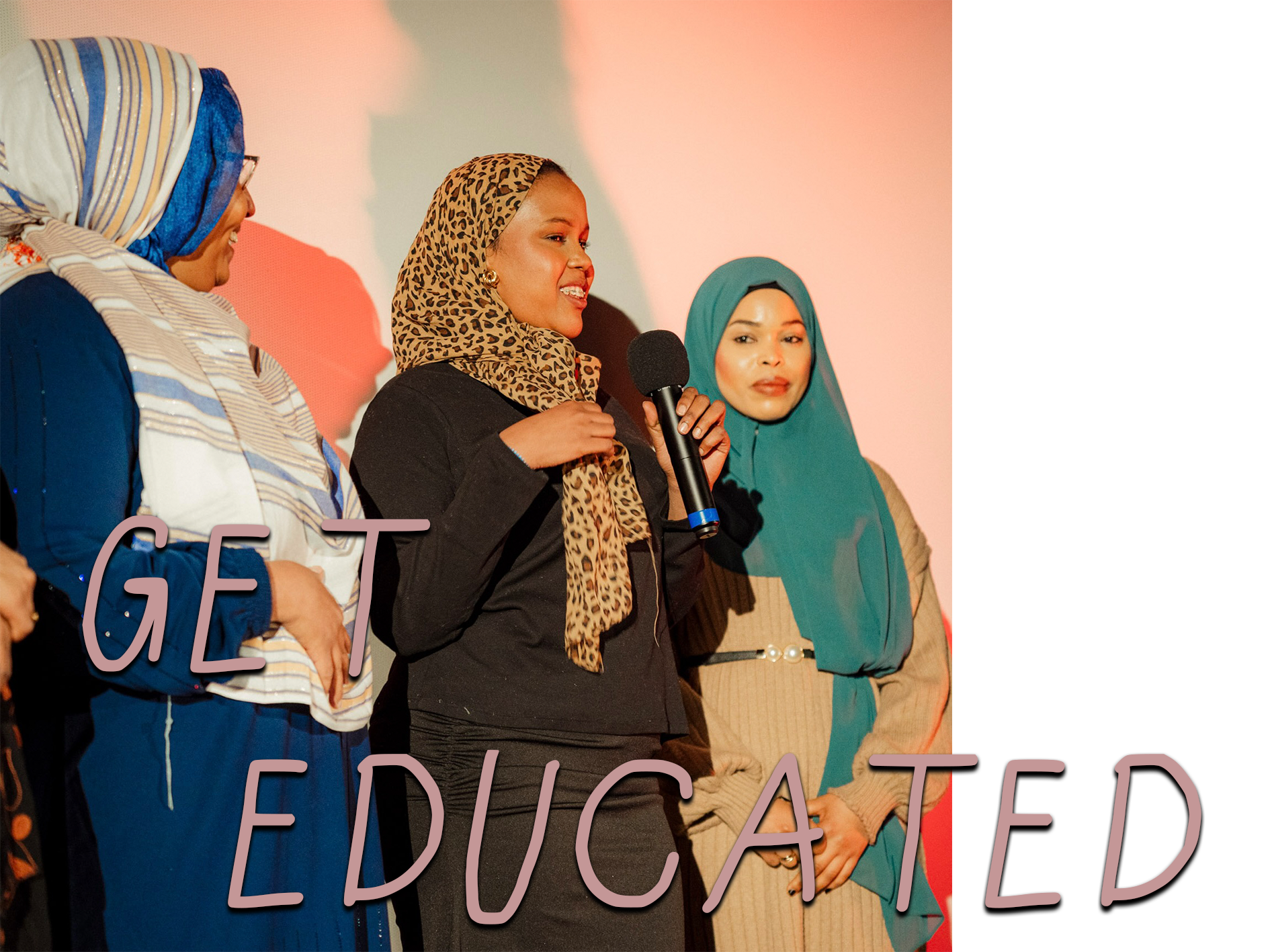
We offer workshops, lectures and educational programmes on FGM and participatory filmmaking.

Giving those affected a voice – in all contexts

All Too rarely, women affected by FGM/C are given a voice at events and workshops on the subject. We want to change that. Despite the possibility of exclusion and stigmatisation, we want to talk publicly about what it means for those affected to endure the consequences of FGM/C in different stages of life and to undergo reconstruction. We want to show people who are not affected how we want to be treated. And we no longer want to be perceived as victims. Because we are not victims. We are affected and experts on FGM/C.

We offer workshops and lectures on the following topics, and are available for discussions and Q&A sessions:

Medical fields:

Dealing with affected women for midwives, gynaecologists and doctors

Social work and asylum:

Dealing with FGM/C and affected women in social work, the current situation in the asylum system.

Art and society:

The representation and inclusion of affected women in artistic and social discourse

Anti-racist work:

Exposing racist structures in everyday life, workshops for those sensitive to FGM and anti-racist approaches to dealing with those affected

Participatory filmmaking:

Scientific and practical input on our experience with participatory film production and power criticism in the film industry.
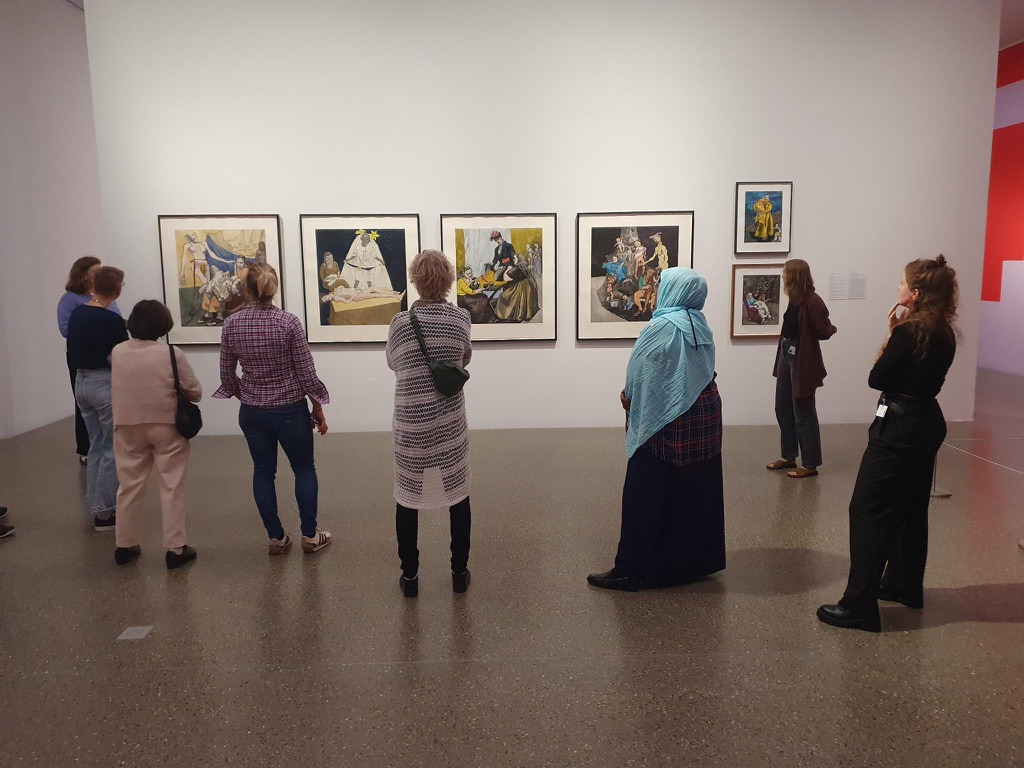
Folkwangmuseum: Themenabend zu FGM in der Ausstellung von Paula Rego
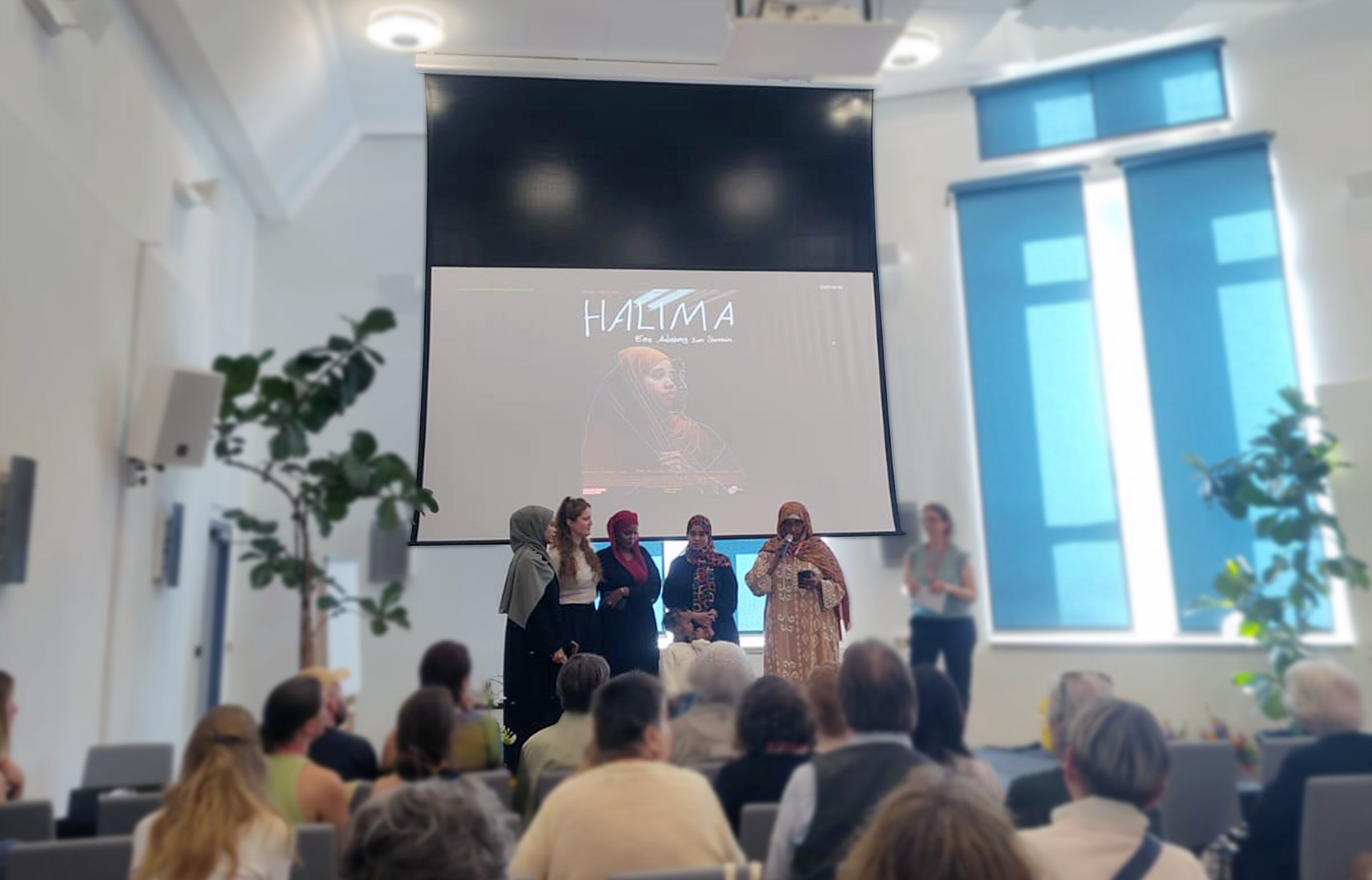
Festival Premiere beim 54. Studentenfilmfest Sehsüchte
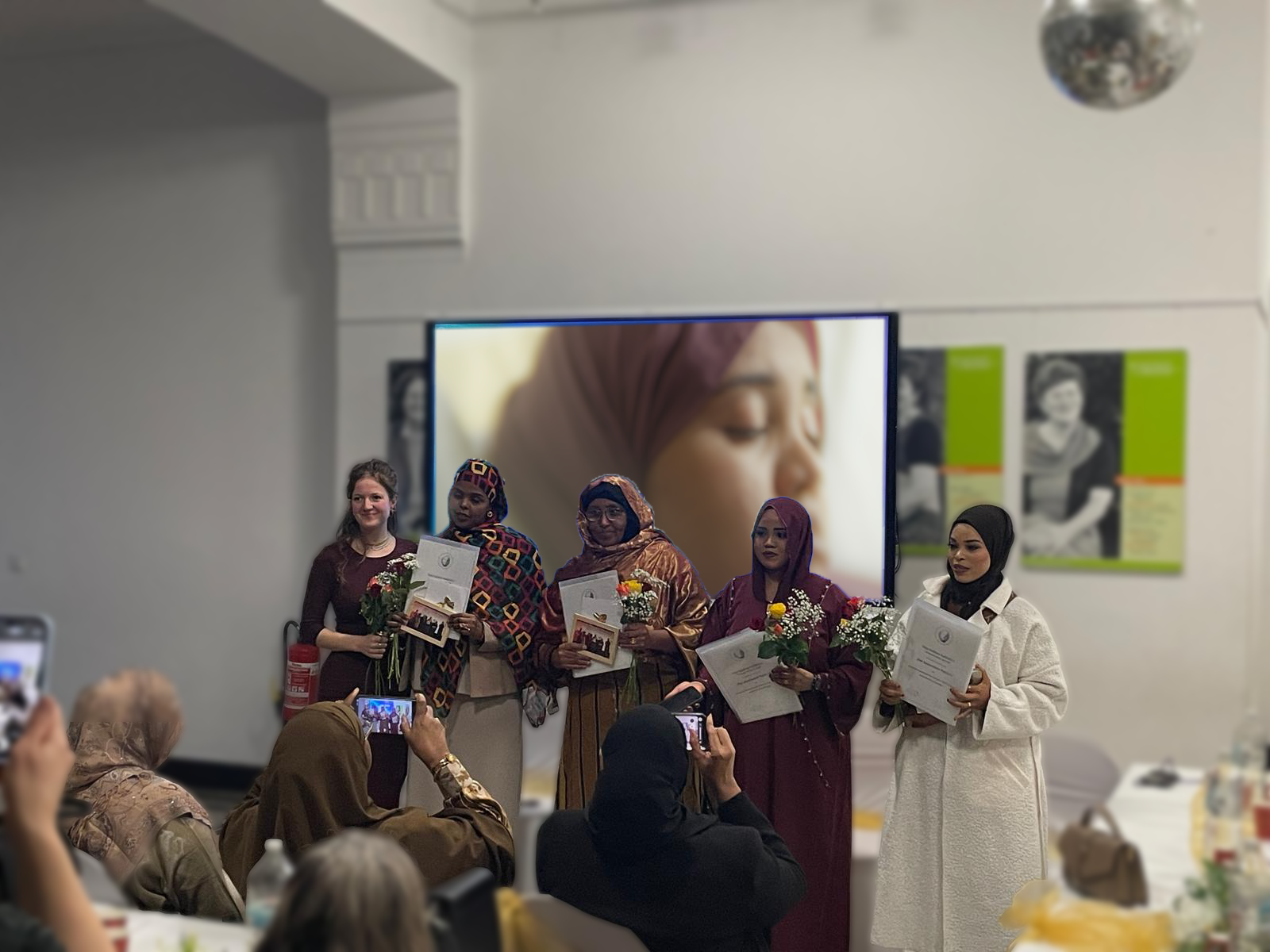
Preis der Chirurgengesellschaft Deutschlands
Preis für besondere Selbsthilfegruppen
Filmpanel CINE GLOBAL
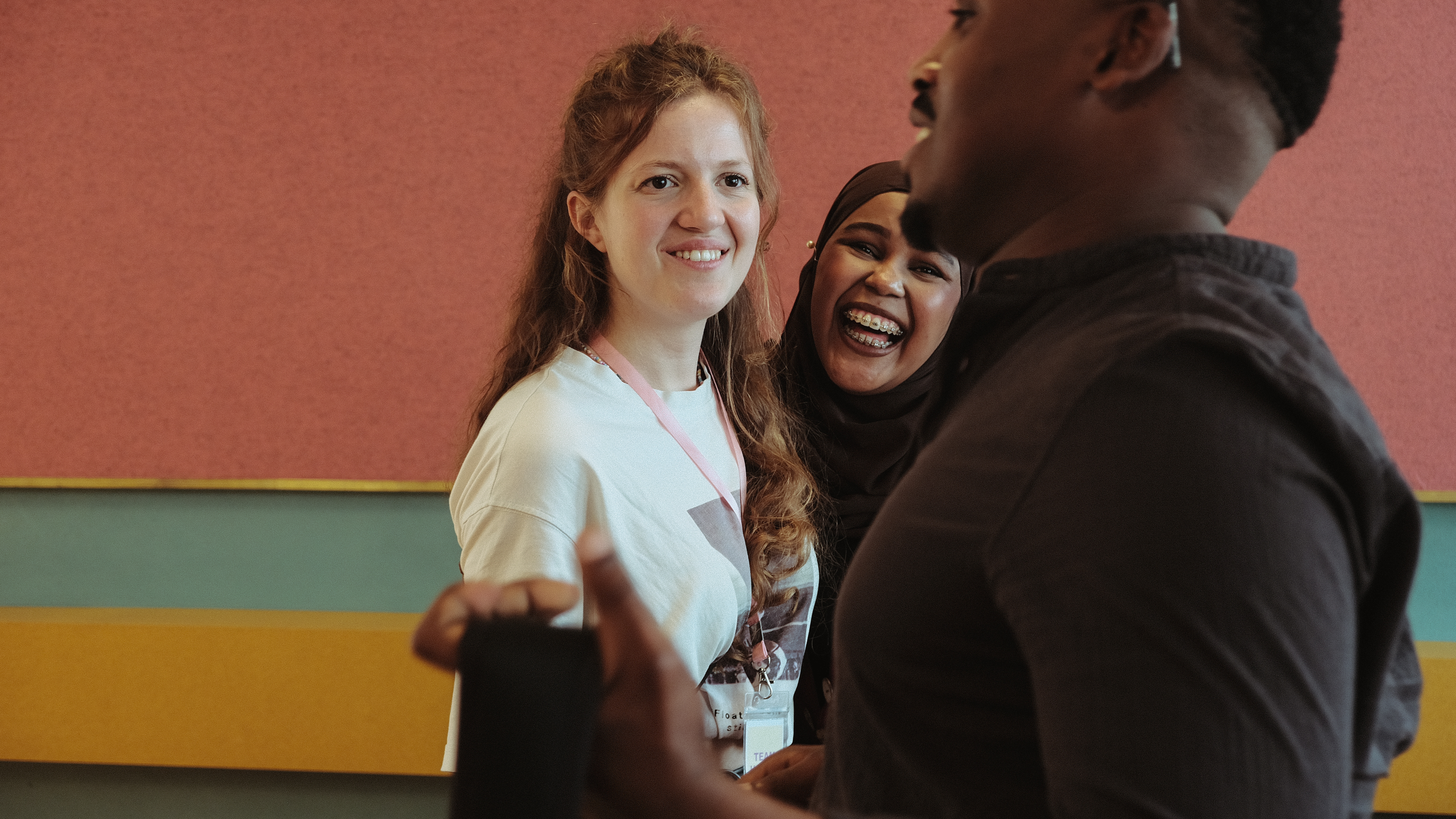
Teampremiere Halima


We talk about FGM/C as affected women

FGM/C stands for Female Genital Mutilation/Cutting

FGM/C is the circumcision of the vulva. Circumcision in this context means the partial or complete injury or removal of the external female genitalia without medical reason. The consequences are painful and dangerous. It can lead to various acute and lifelong consequences, such as infections, blood loss, complications during childbirth and many more. Psychological stress such as PTSD is also common.


There are four different types of genital circumcision:

Type I: Removal of the clitoris
Type II: Removal of the clitoris and labia minora
Type III: Infibulation (narrowing of the vaginal opening)
Type IV: Other harmful practices

FGM – a tradition dating back thousands of years

Contrary to popular belief, FGM/C is a practice that is widespread throughout the world. It is more common in parts of Africa and Asia, but girls and women in parts of South America and Europe are still circumcised today in the name of tradition. The first traces of women affected by FGM/C were found in ancient Egypt, around 5000 years ago.
Did you know? In Germany, too, the clitoris was removed from women until the 1920s in order to cure ‘hysteria’.

Why is FGM/C practised?

The origin of this human rights violation is unknown, although many people mistakenly believe that circumcision is a religious and Islamic practice. In fact, the practice is currently mostly carried out due to extreme patriarchal social pressure. FGM/C is usually a prerequisite for marriage for women, as it is supposed to guarantee the ‘purity’ of the woman. Mothers and grandmothers perform FGM/C on their daughters, as otherwise they face stigma and exclusion.

In the european debate, the problem is usually blamed on African countries of origin, yet according to Terre des Femmes, around 103,950 women affected by FGM live in Germany. Although circumcision is illegal, it is also performed on girls born in Germany – currently 17,271 girls are at risk.

What should I say: Cutting or mutilation?

When talking with and about affected women, it is important to always refer to genital cutting. Most women do not feel mutilated and do not want to be perceived as impaired. The term mutilation is hurtful. Mutilation is a term often used to differentiate female genital cutting from male circumcision and to express the brutality of the practice. So when talking about the practice as a theoretical phenomenon, the term can be used with caution and awareness of its hurtful nature. We always use the term cutting on our website, in our film and in workshops because it avoids stigmatisation.

Reconstructive surgery


There are now reconstructive surgeries available for women who have suffered FGM/C, which significantly alleviate the long-term effects. Clitoral reconstruction surgery, which restores sensation to the clitoris and thus also pleasure, has only recently become available. Operations such as labia reconstruction, i.e. the restoration of the natural anatomy, and defibulation, the opening of scarred areas, alleviate pain during menstruation, urination, childbirth and sexual intercourse. In general, reconstruction can truly contribute to improving quality of life. However, the operation is only covered by health insurance if the patient's residence status in Germany has been definitively clarified. Since 2013, the operation has been considered medically necessary and not a cosmetic procedure.

For many women, reconstructive surgery is a step towards self-determination over their bodies. It is always important that the woman has freedom of choice when it comes to reconstruction. FGM/C is a taboo subject in many communities, and undergoing reconstructive surgery can lead to a rupture with traditions, friends and family. While reconstruction can bring relief on a physical level, it can cause stress and anxiety on a socio-psychological level. Multidisciplinary care and aftercare are needed for the decision-making process and the post-operative process.

Did you know? Dr. Dan mon O'Dey, the only doctor in Germany who performs clitoral reconstruction, acted as himself in our docu-fiction film.

Links for further information


Specialist dossier from Frauenrecht ist Menschenrecht e.V. (Women's Rights are Human Rights)

Podcast on the topic of FGM/C

“End FGM/C” Evaluation Guide

Data about FGM/C in Germany

German government's letter of protection against female genital mutilation

Moving Cinema against FGM/C

“In Search” documentary film against FGM/C


What can socially concious filmproduction look like?

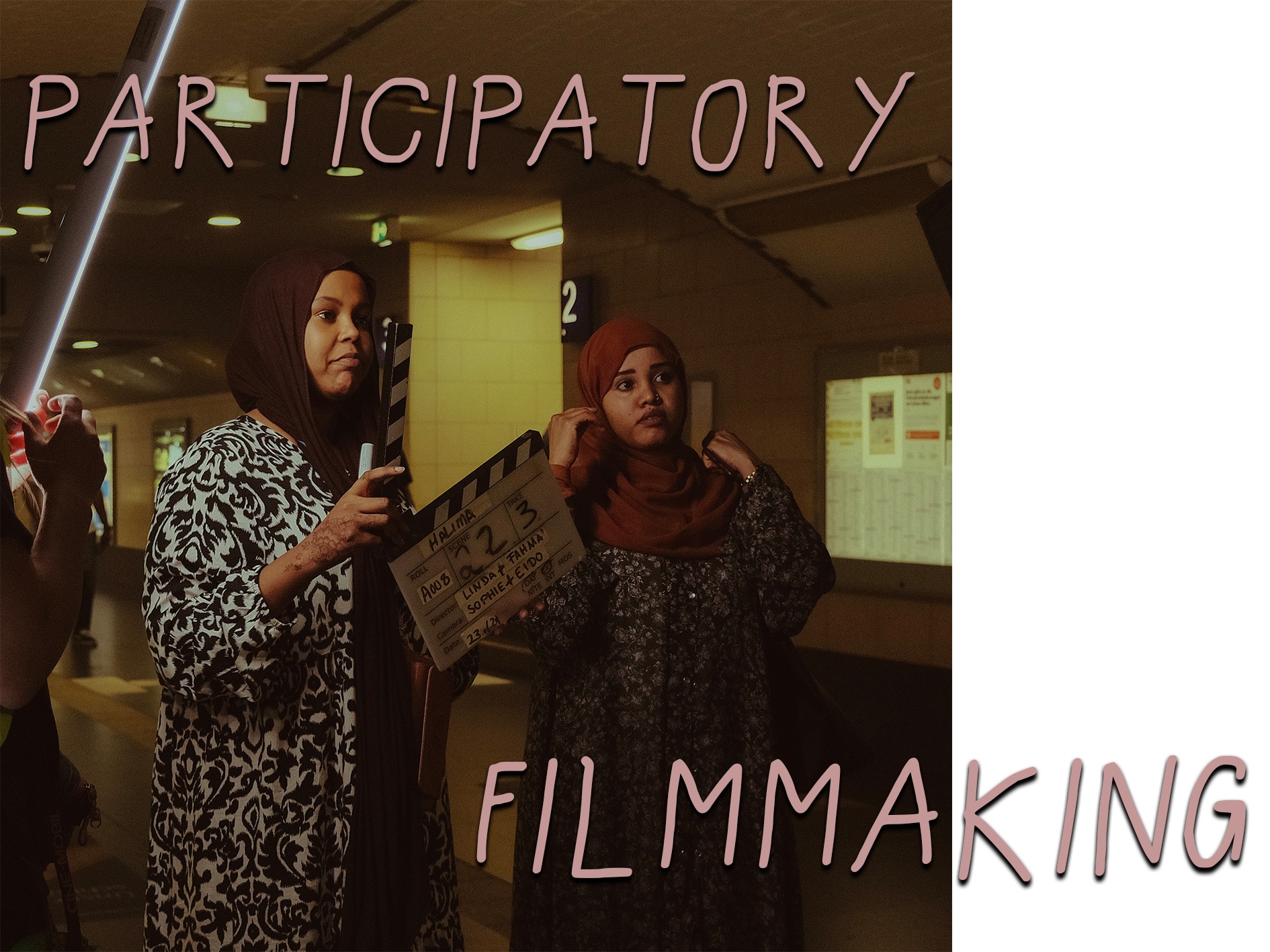
The concept of participatory feature films as a docu-fiction format was developed by director Linda Verweyen. The aim is to give marginalised groups a voice and actively counteract stigmatisation in film.

What does participation mean in film production?


The participatory concept is taken from social work theory, which was developed to structure projects for social change in a goal-oriented and meaningful way without missing the needs of the target group. It is based on the ‘stages of participation’ by Straßburger and Reger (‘Participation compact – For study, teaching and practice in social professions’, 2014: p. 232f) Research for feature films and documentaries on social issues usually involves the first stages of participation: gathering information about the community, talking to affected individuals, and developing a concept based on this information. However, a film changes until the final cut, and even sound design and colour grading can tell the story in a new way. In these stages of production, the people being talked about usually no longer have any influence on the design and content of the film. So, despite the best of intentions, it can happen that people are talked about without feeling well represented. In the worst case, this can lead to the unintended reproduction of prejudices and stigmatisation.

Preventing stigmatisation – handing over the power


Participatory filmmaking is radically participatory, meaning that it is based on the involvement of the affected community during the production process and the transfer of power over creative and narrative decisions until the film is completed. In this way, the affected community actively helps to shape how it is portrayed in public discourse and what emotions are to be evoked in the audience. Due to the fictional narrative style, identification with the protagonist can lead to emotional understanding, even if this is far removed from one's own reality. Prejudices can be reflected upon, which can actively influence the behaviour of the audience in the real world.

Film as a therapeutic medium


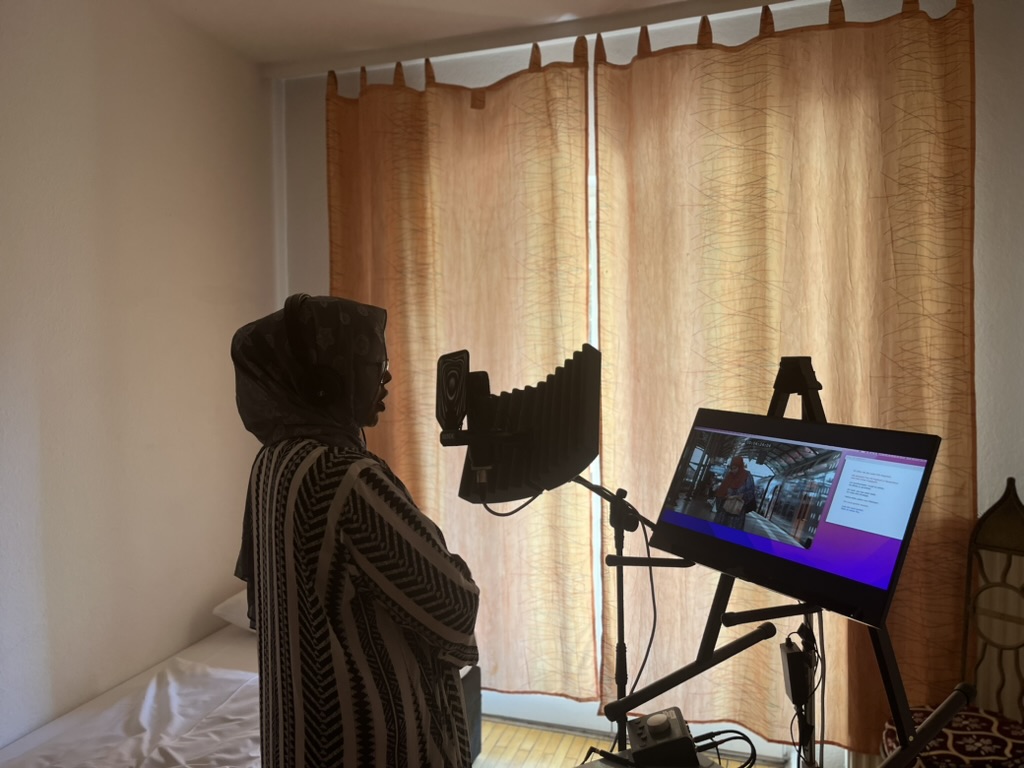
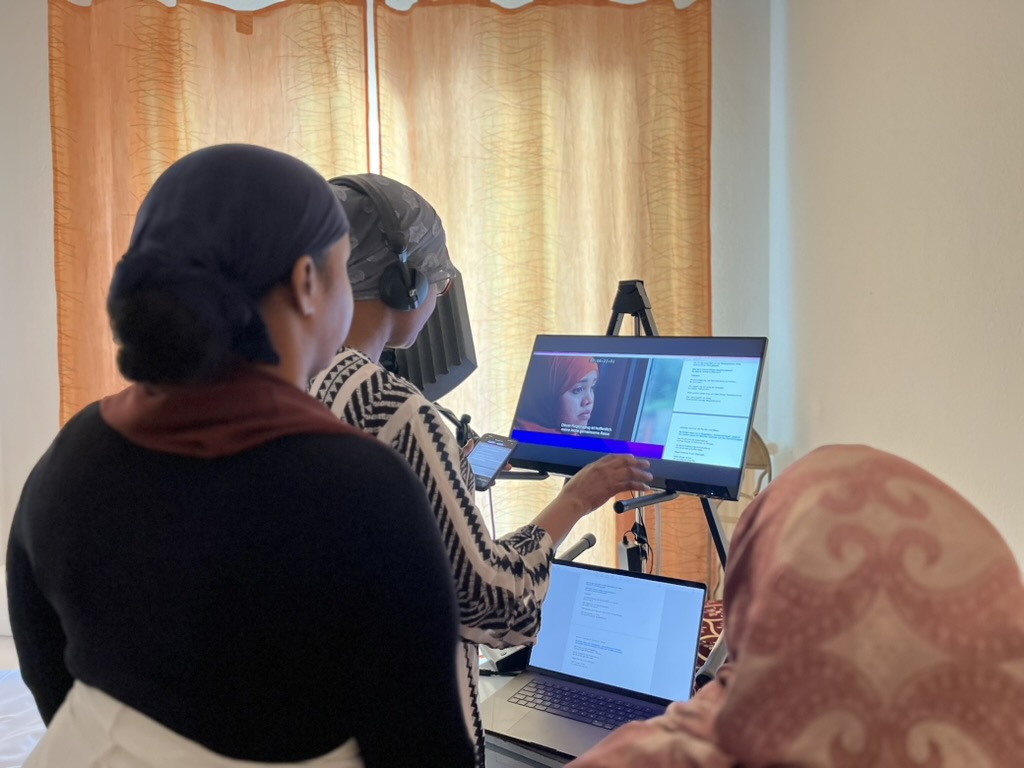
Participatory film production can spark processes of change among the women involved even during production. Telling their own stories and having creative control over their narratives are therapeutic tools; this coping strategy can promote purpose and knowledge. The fact that the women communicate their social reality to an audience outside the community can be understood as socially integrative action and social participation. The production process also breaks the silence that prevails among women affected by FGM. The framework of the film project gives them a rare opportunity to do so.
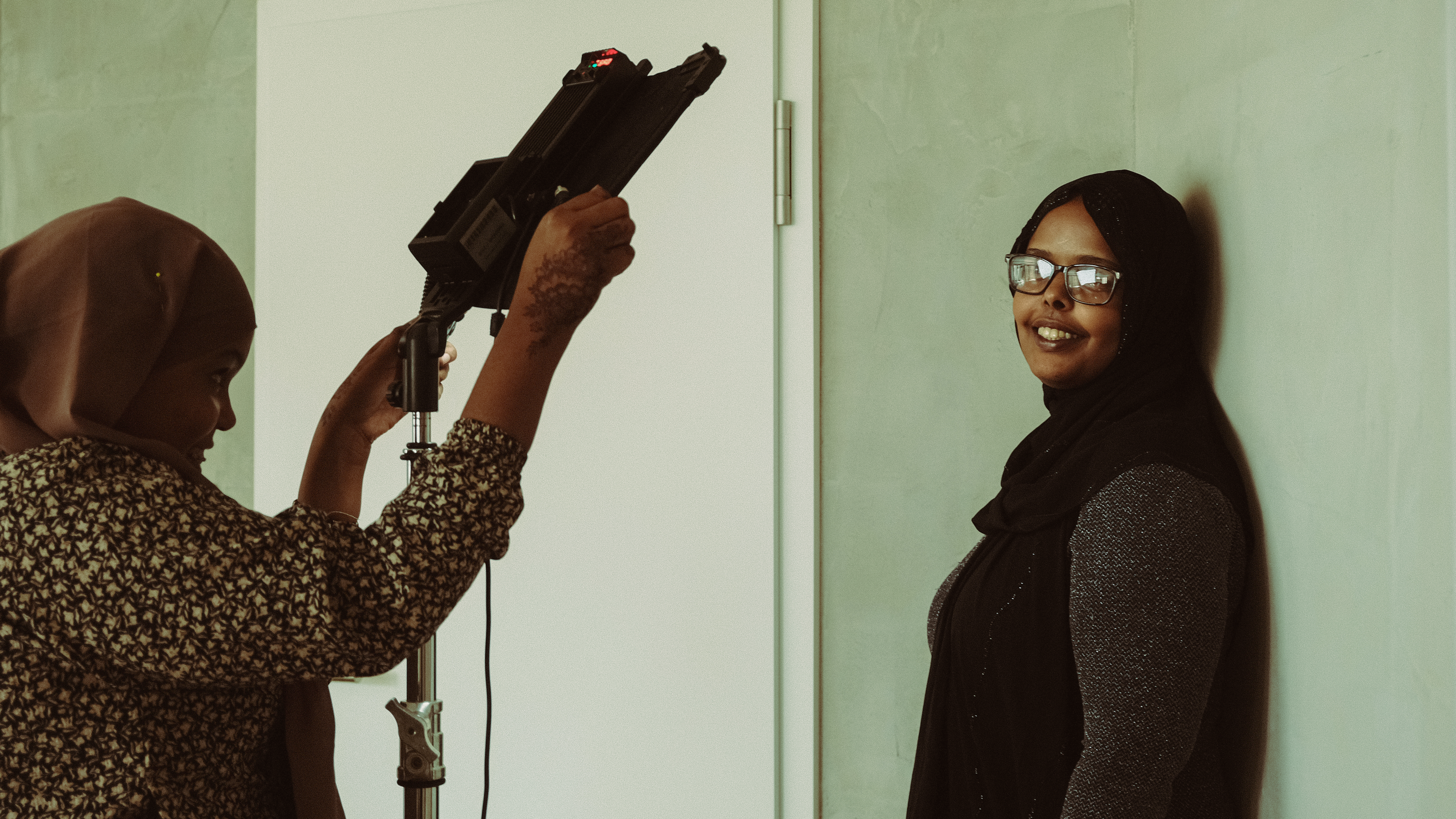
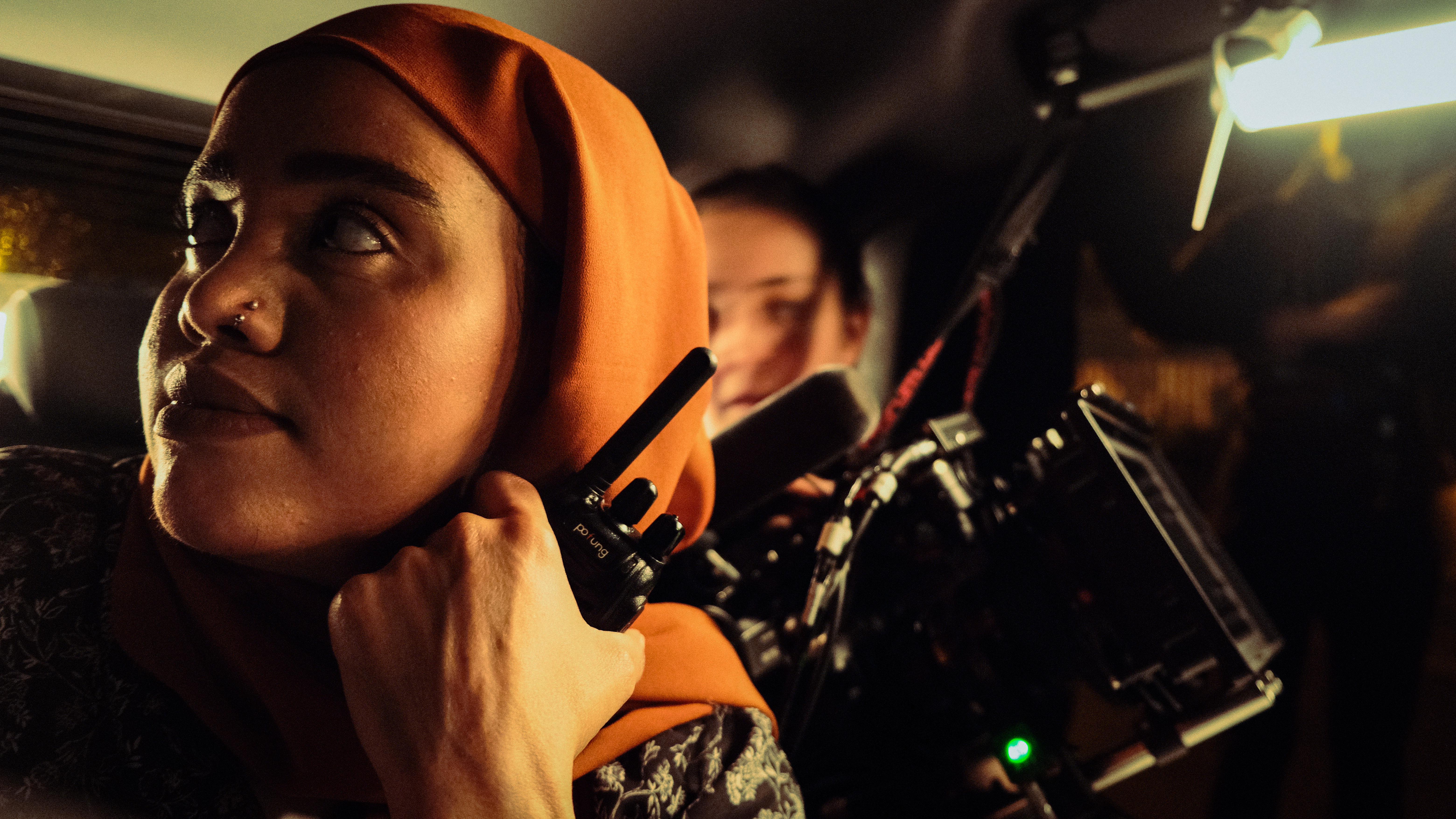
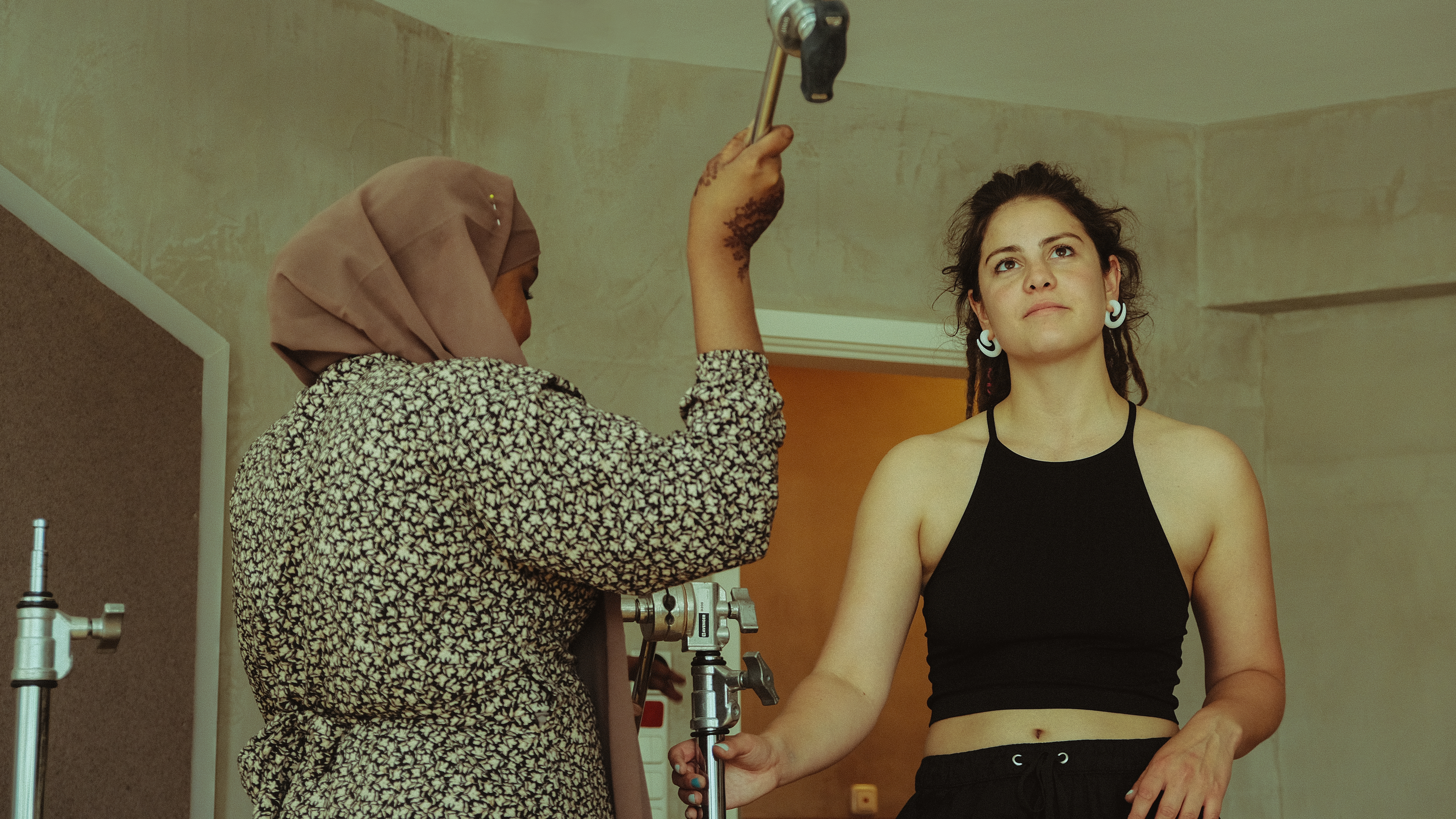
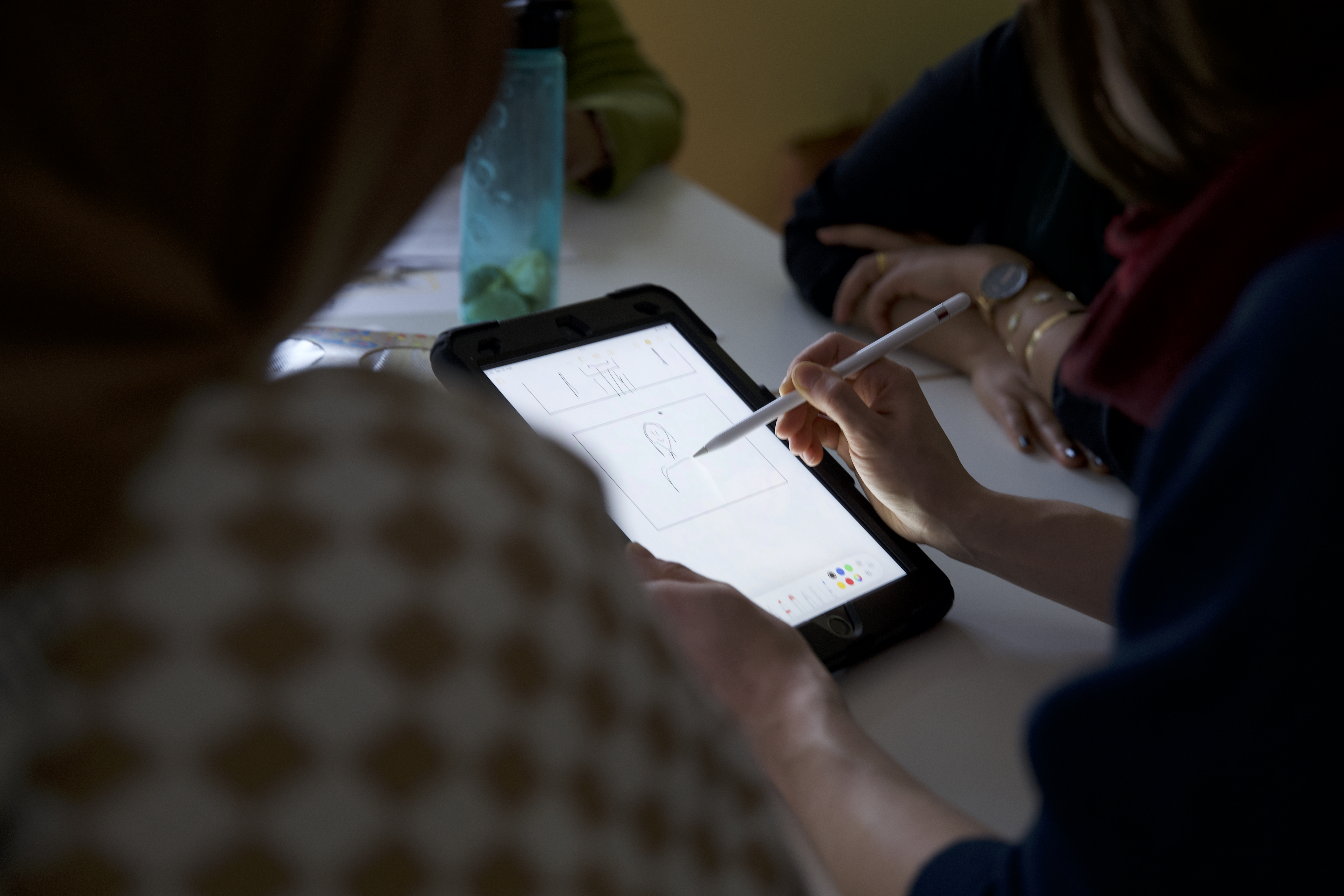
The participatory creation of a film complicates the production process, but it also has advantages for the professional crew: habits and hierarchies on set must be questioned and artistic decisions in particular will be subject to new negotiations regarding content and aesthetics. A participatory film is not a documentary, but it still tells of real situations and shows real people in a fictional frame. The result is a portrayal of the reality of life for women in Germany who are affected by FGM. The short film is almost like social research: how do marginalised people see themselves and their life situation? What do they want to tell, what aspects of their identity do they want to convey to the outside world? At the same time, the German filmindustry is questioned: what stories are told and in what way? And above all: by whom?
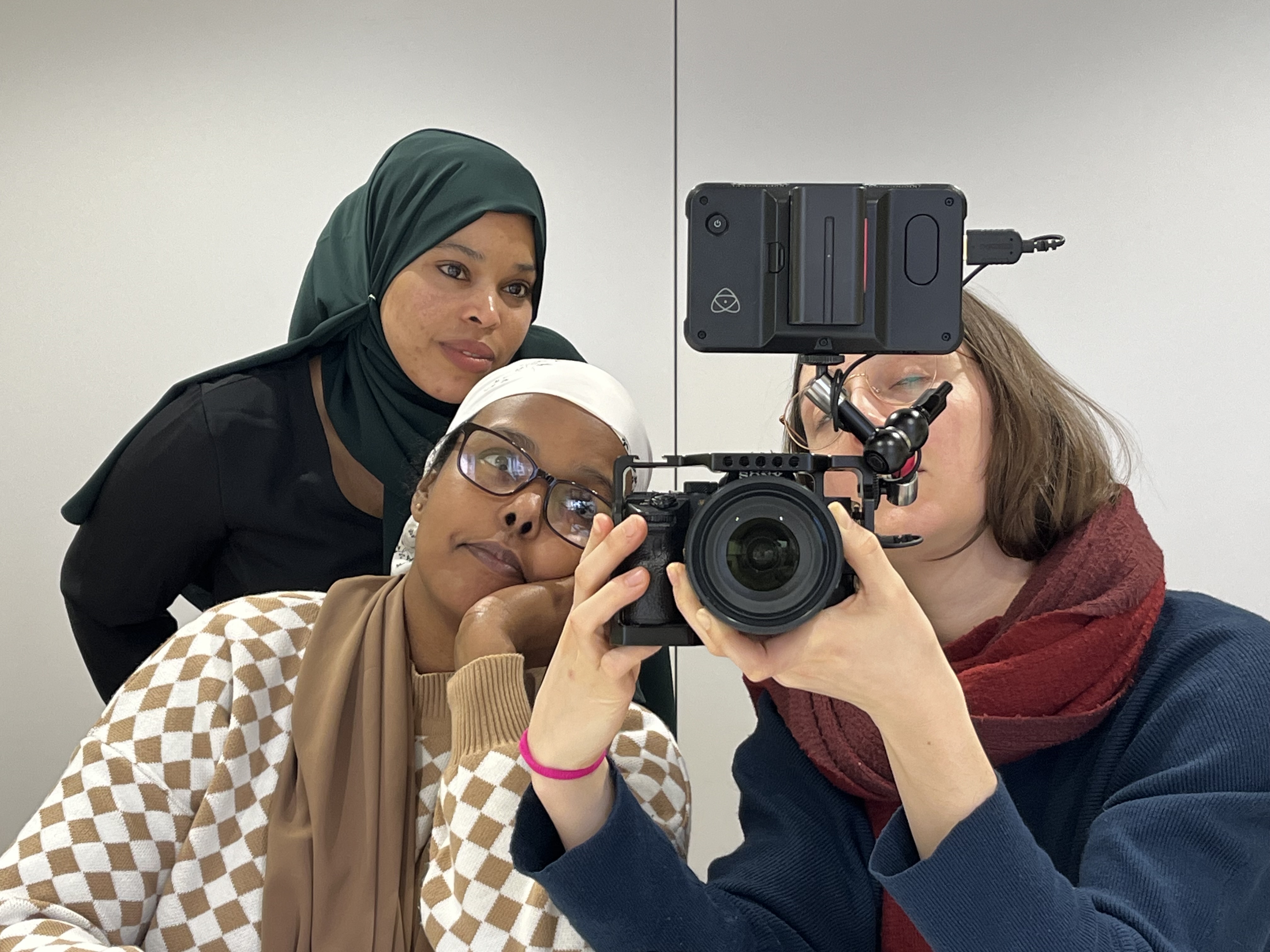
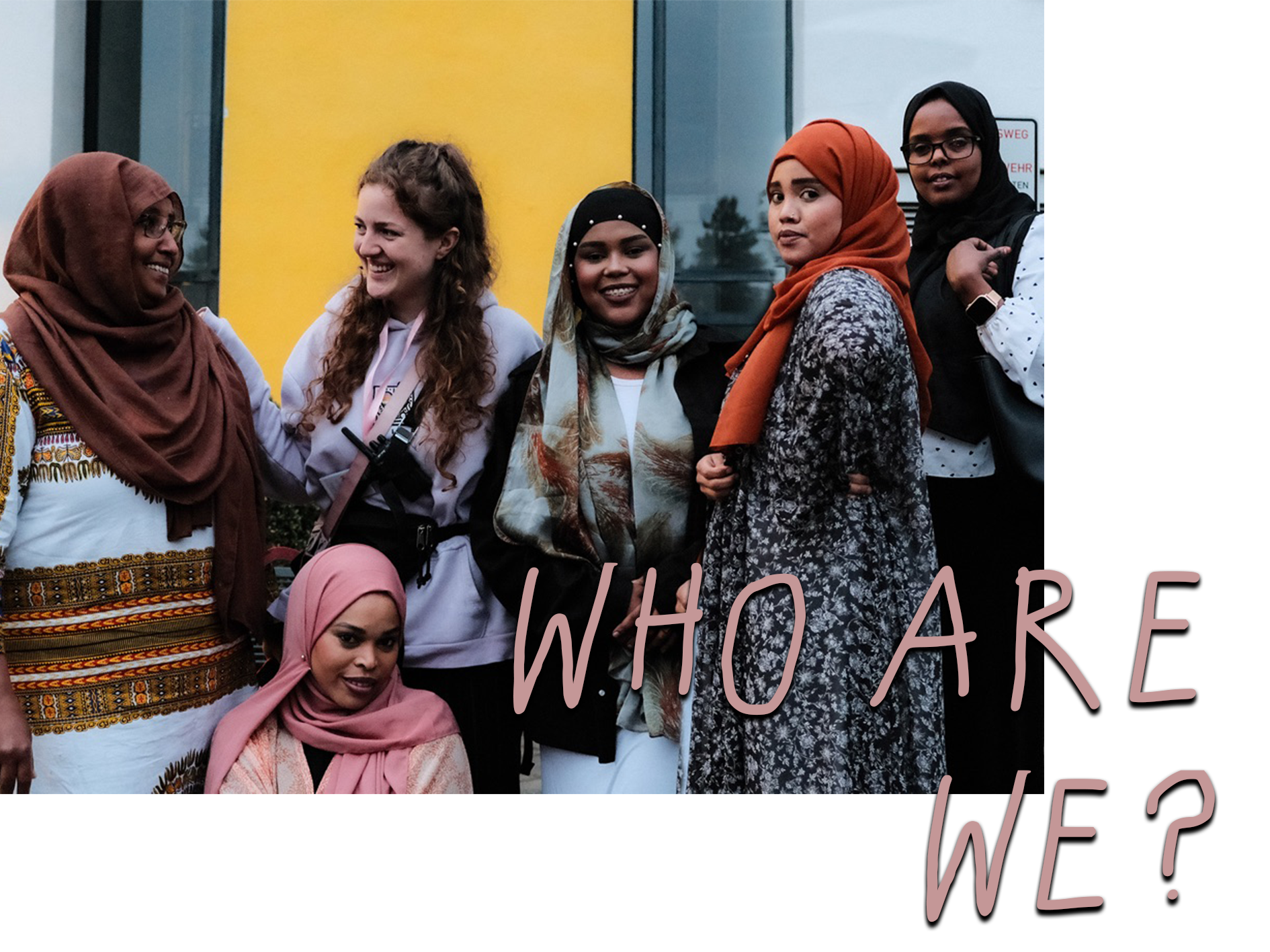
Get to know our collective! We are people from the film industry, activism and FGM experts. Contact us at film.halima@gmail.com oder auf Instagram bei @halima.film

Linda Verweyen | Initiator & Director

Hawo Abdulle | Project manager

Fahma Farah | Co-director & FGM expert

Jawahir | Co-set designer & FGM expert

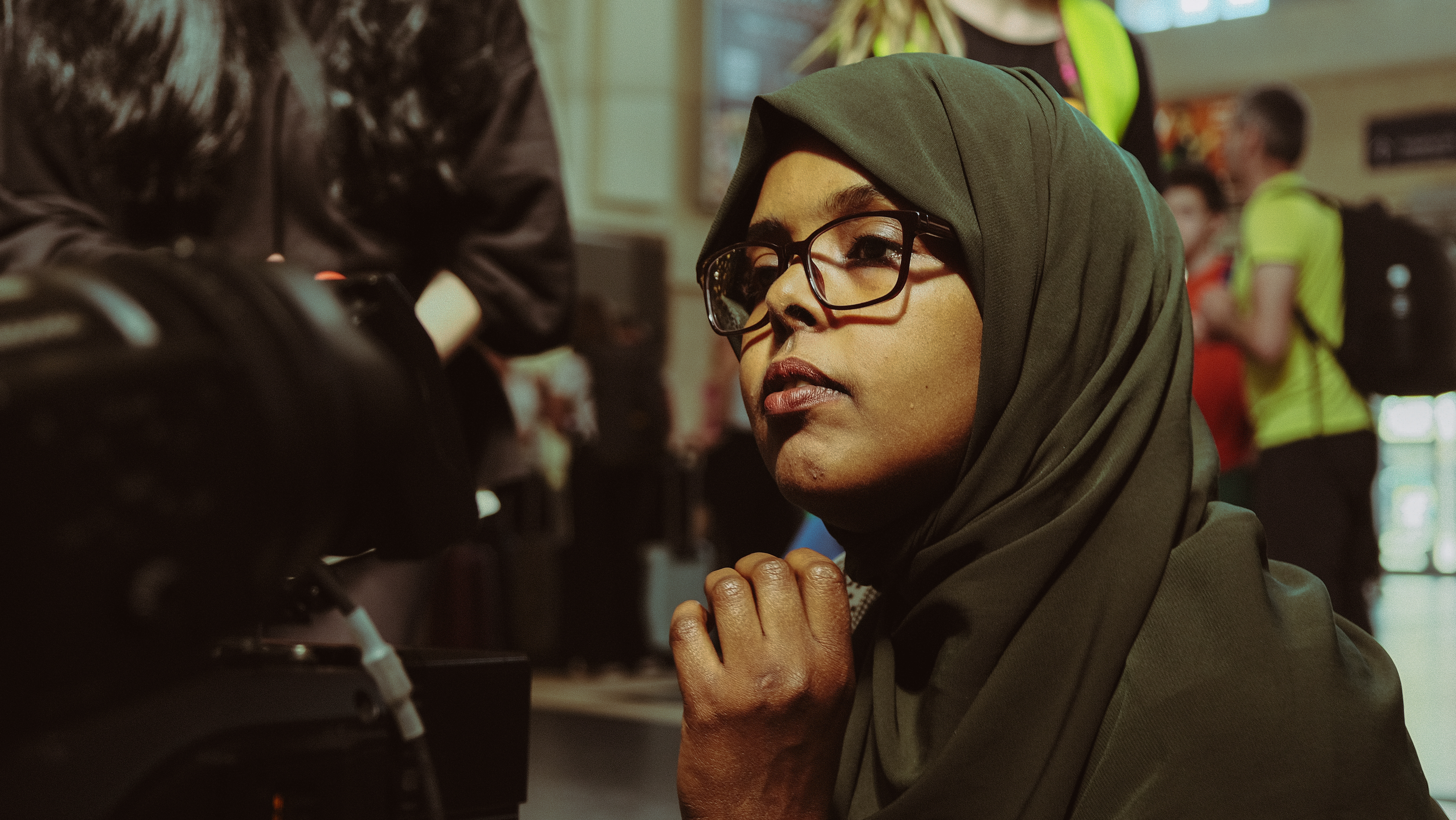
Eido | Co-cinematographer & FGM expert

Fartuun | Actress Halima & FGM expert

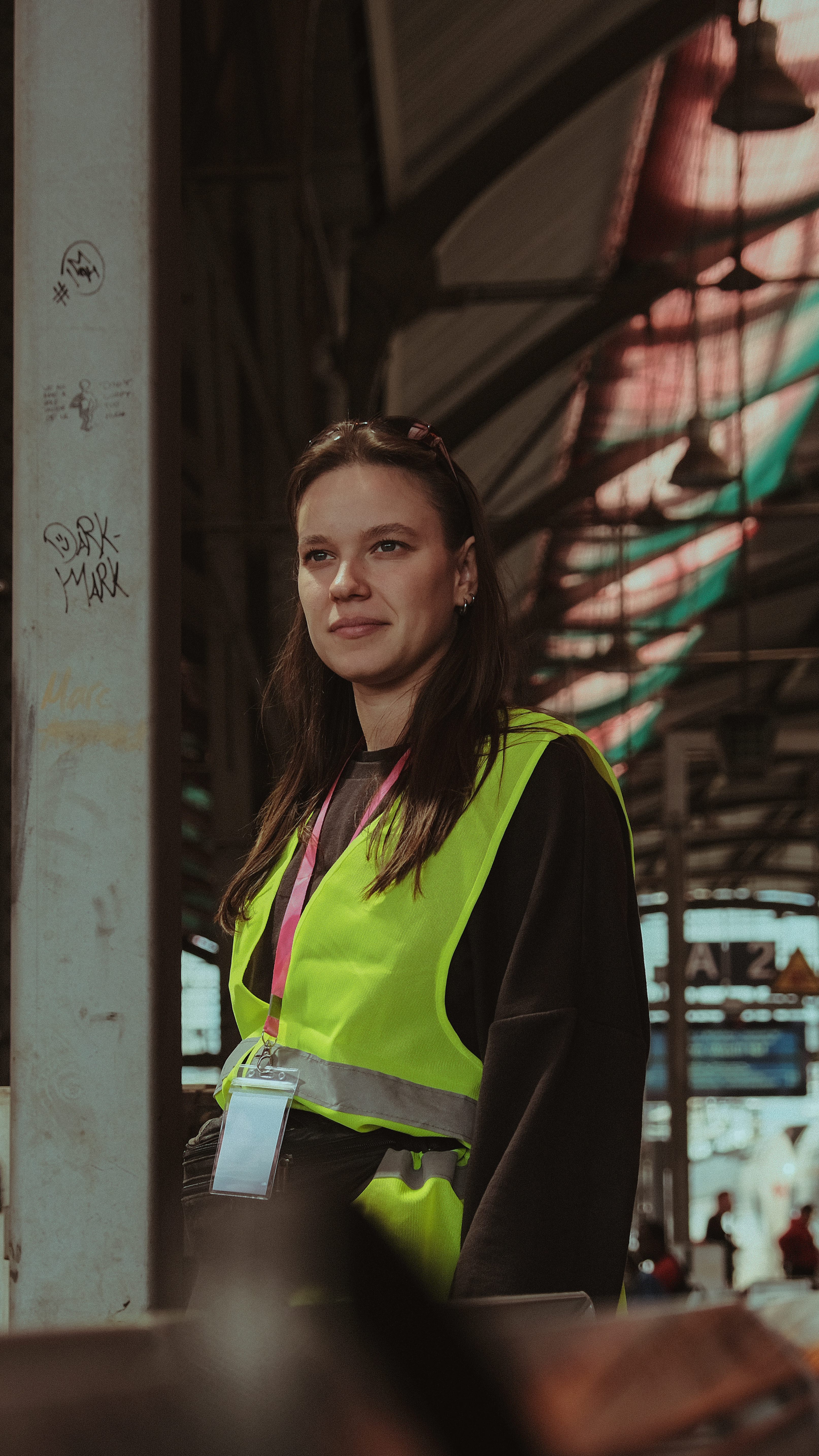
Sophie Krabbe | Cinematographer

Jana Stallein | Editor

Daria Somesan | Sound Engineer

Jenny Winter | Sound Design

Cecile Nitsch | Set Design

Ursula Ostermann | Lighting Director

Filmcrew Credits

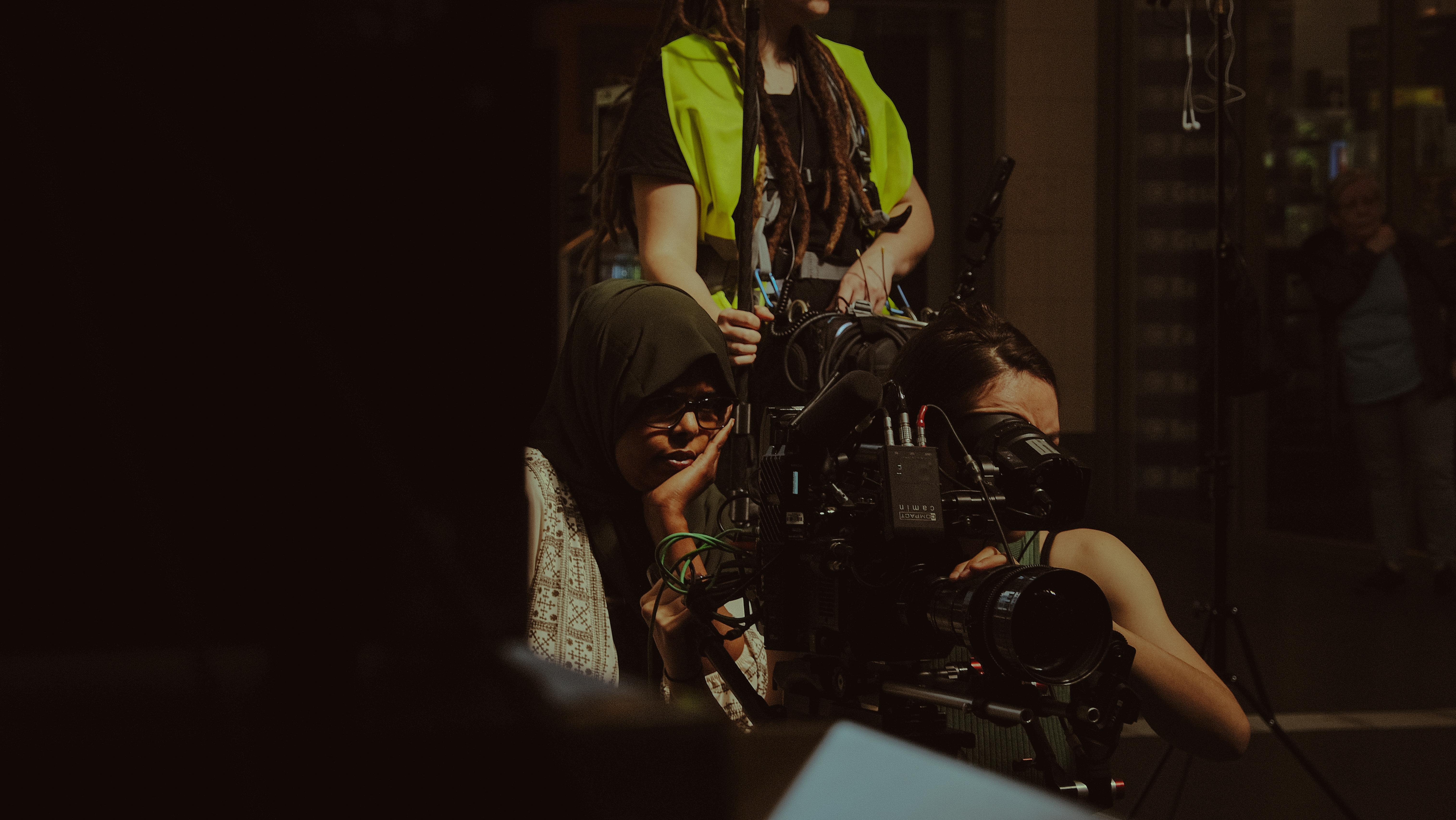
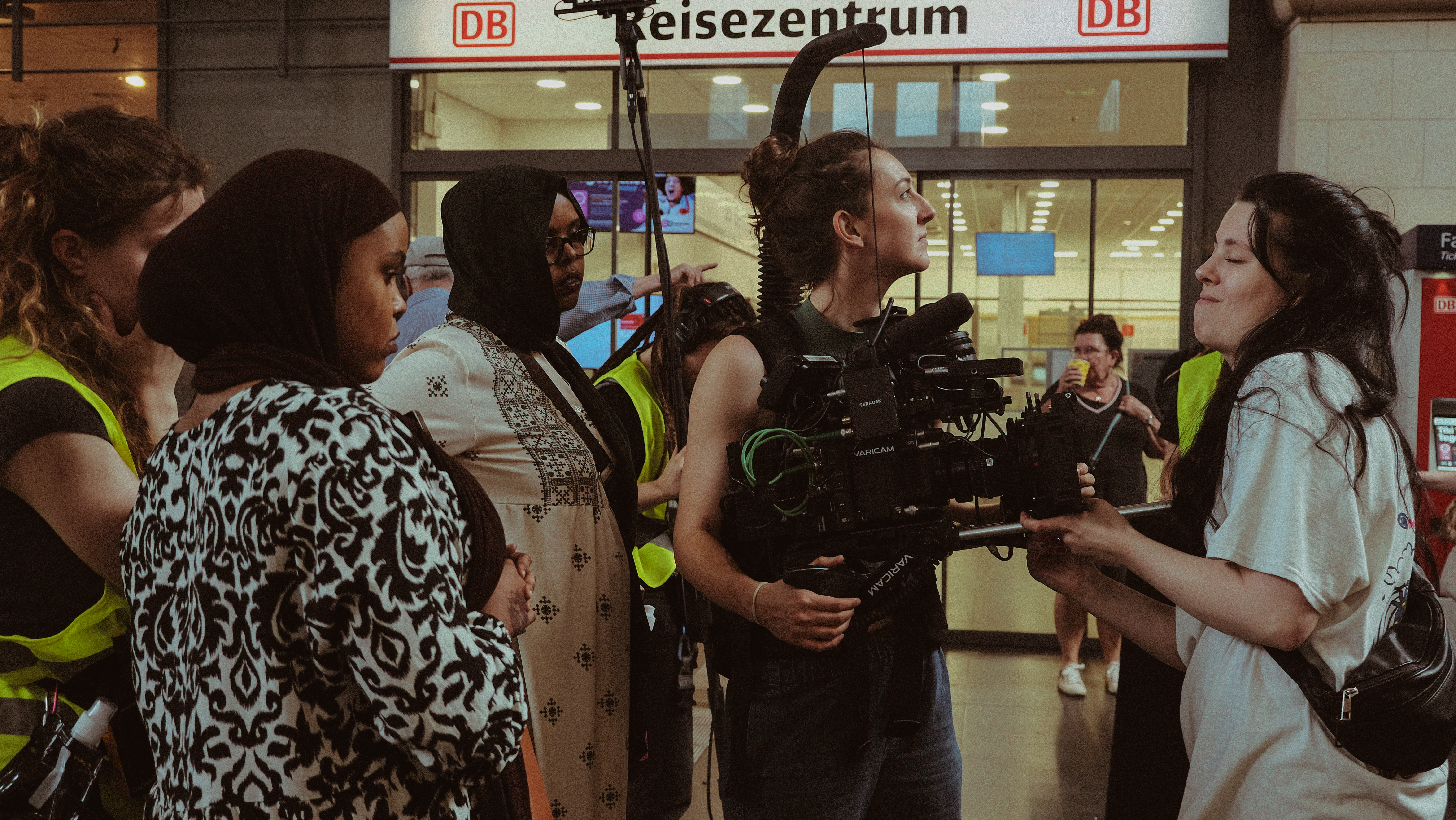
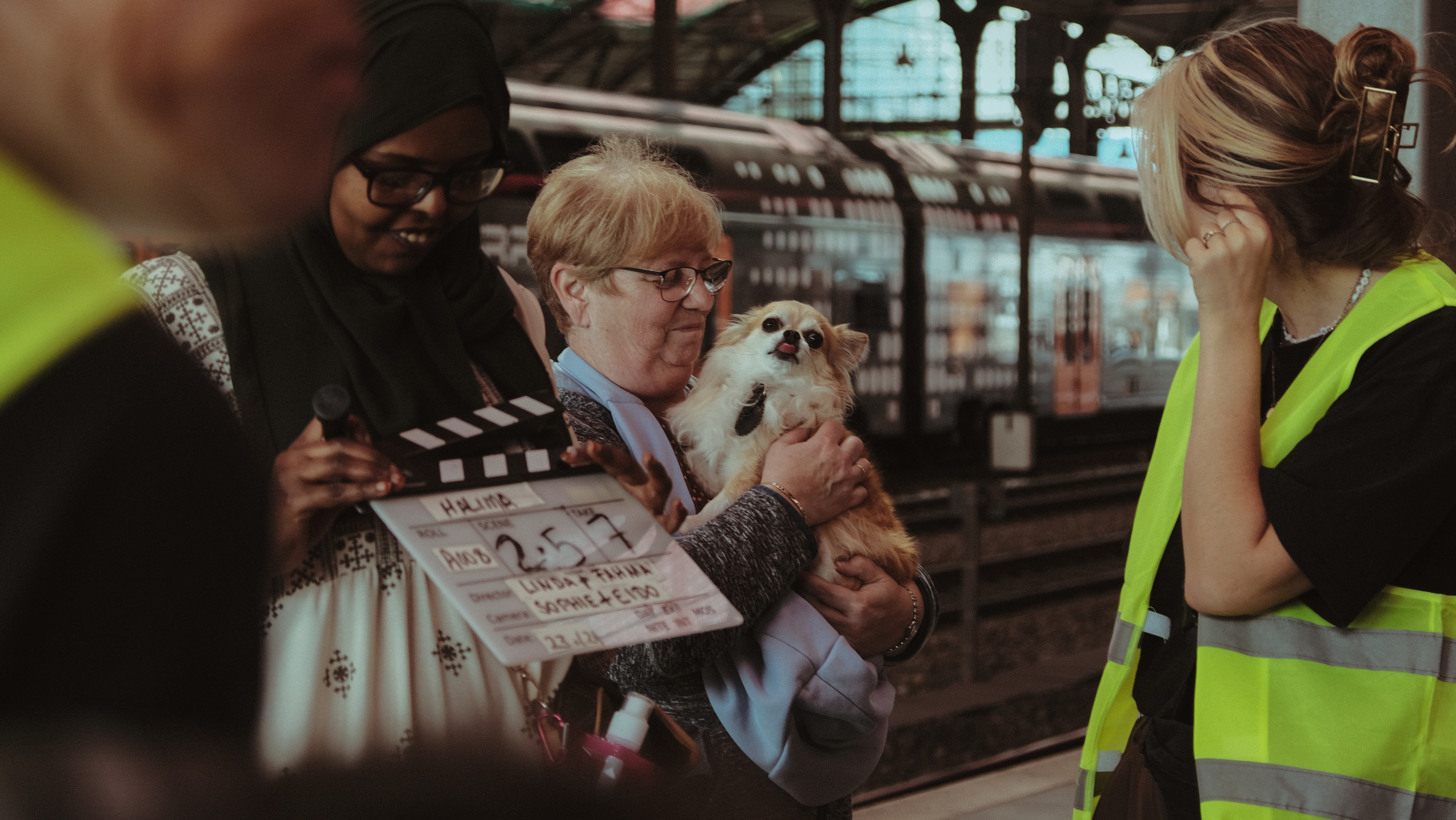
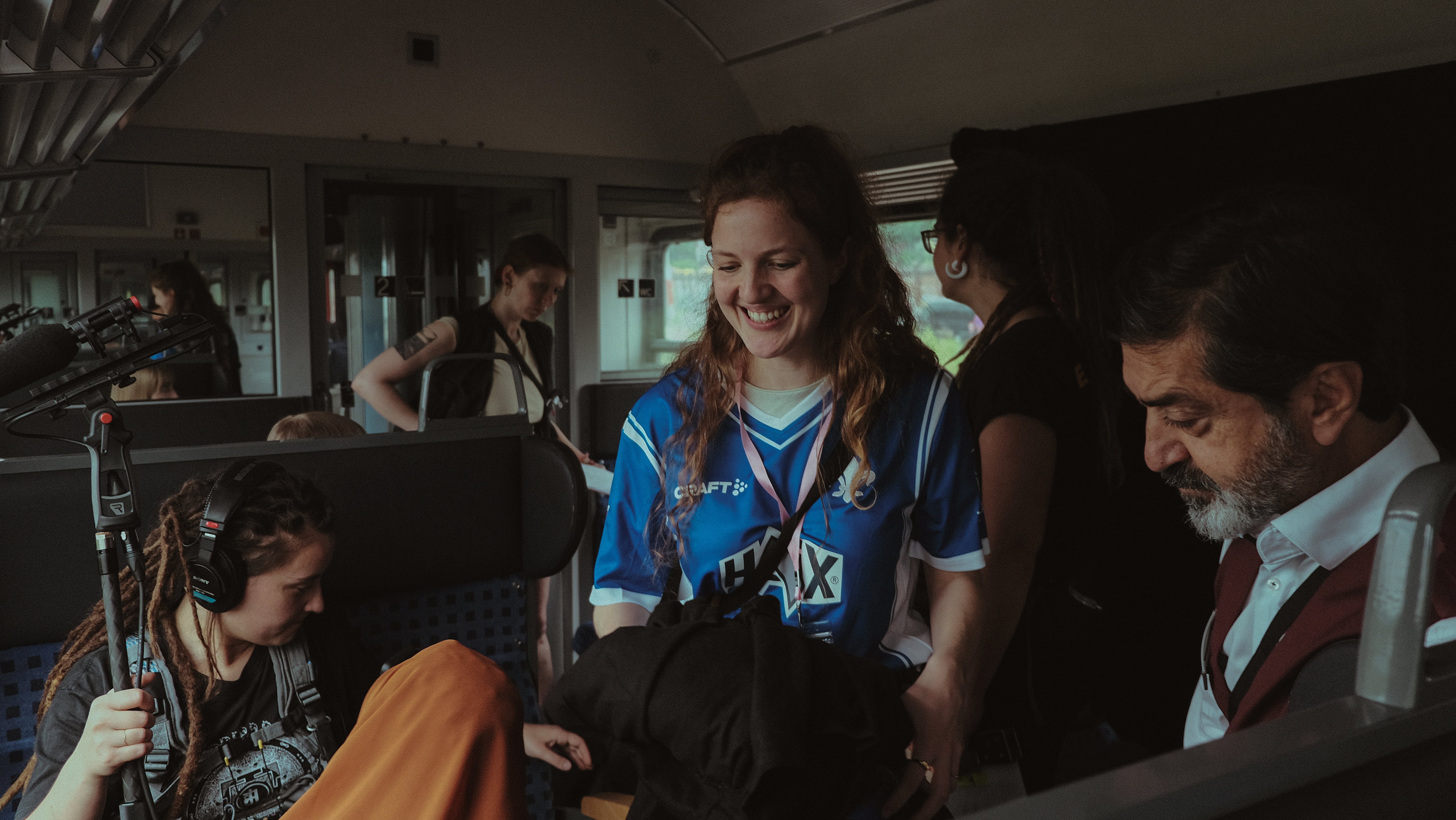
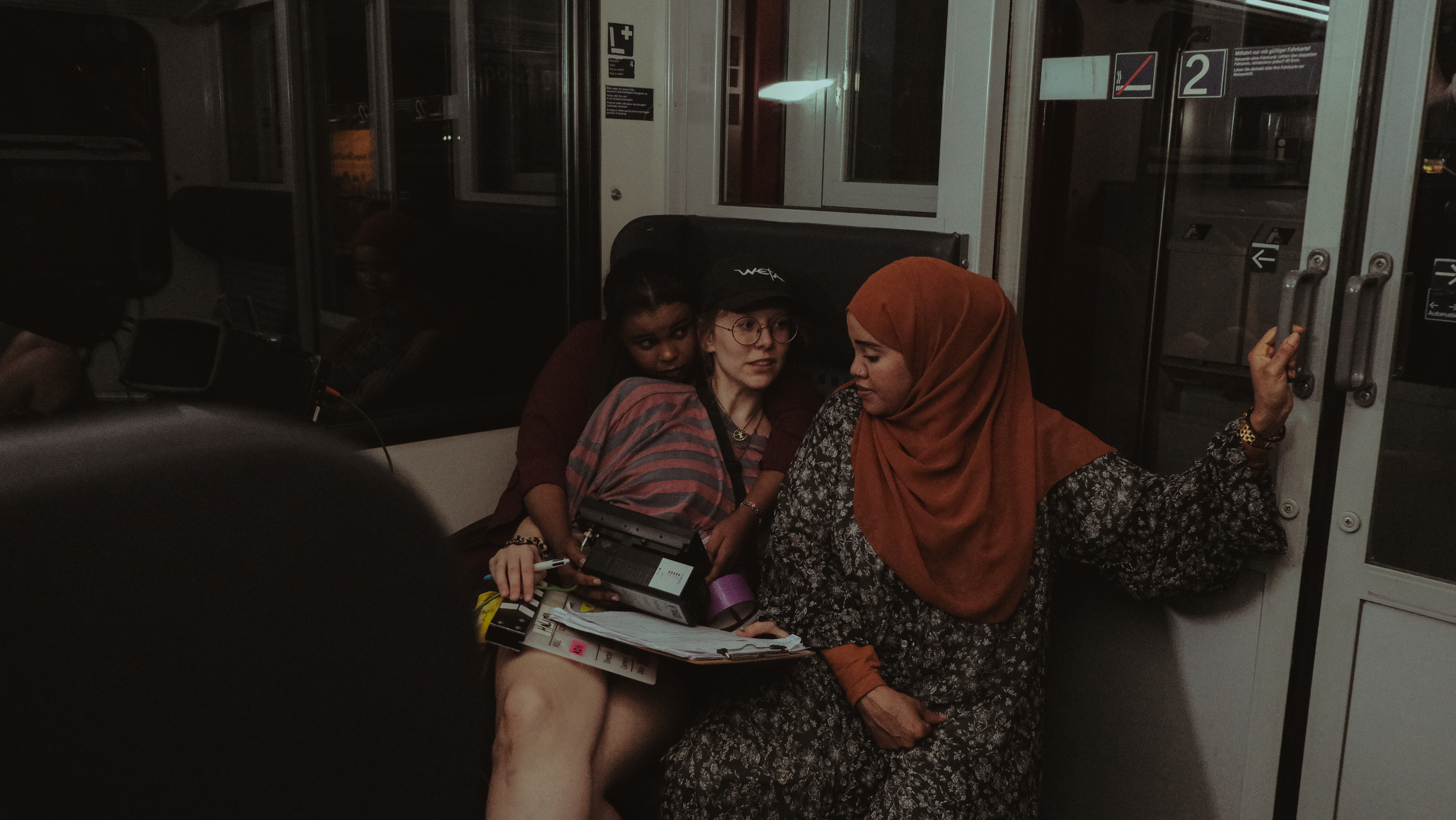
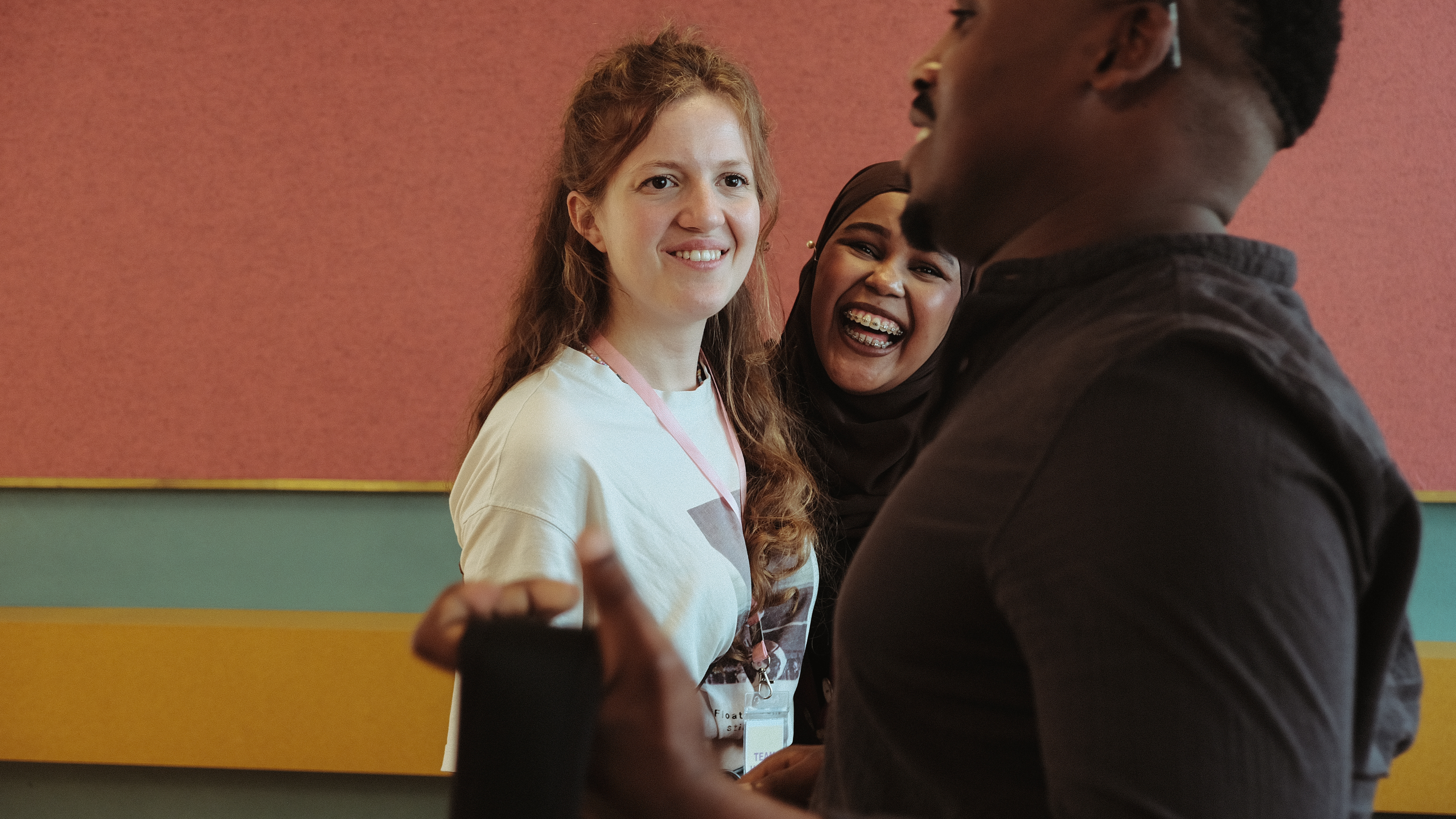
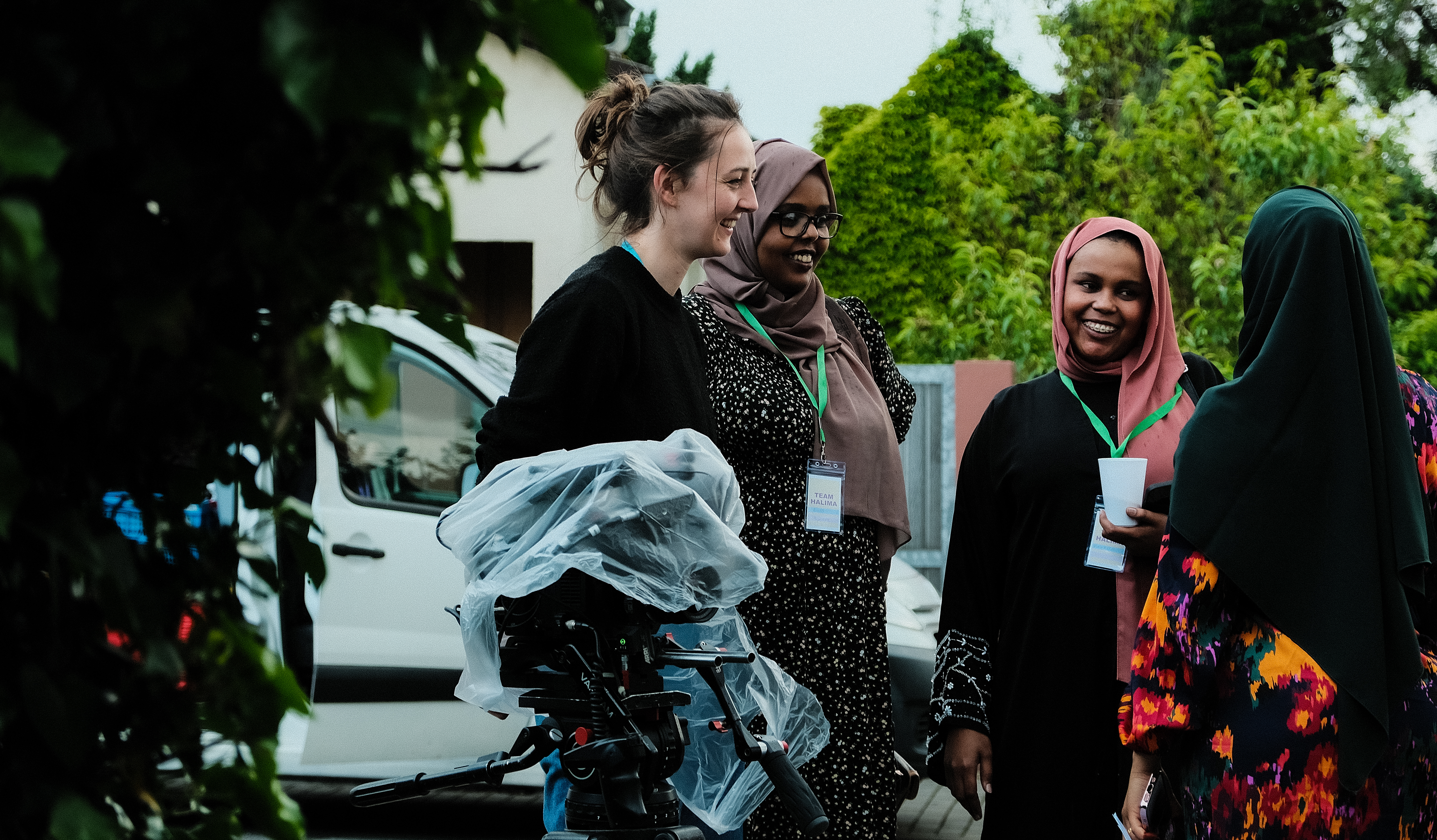
We had a wonderful set and a fantastic crew made up entirely of women* who made this film possible!

Cast: Fartun Abdulkhdir als Halima, Mowlit Hussein als Abdu, Dr. Dan mon O’Dey als er selbst, Ferhat Keskin als Schaffner | Drehbuch: Hawo Abdulle, Jawahir M. Siad, Fartuun Abdelkhdir, Eido M. Abdillahi, Fahma Farah, Linda Verweyen | Kamera: Sophie Krabbe, Eido Mohamad Abdillahi | 1.⁠ ⁠AC: Rebecca Jahn, Lily Peters | 2.⁠ ⁠⁠AC: Lisa Gras, Jette Woelk | Oberbeleuchterin: Ursula Ostermann | BTS Footage: Rusya Abrosimova | Szenografie: Cecile Nitsch, Jawahir Mohamed Siad | O-Ton: Daria Somesan | Sound Design & Mix: Jenny Winter | Schnitt: Jana Stallein | Producerin: Linda Verweyen | Produktionsassistenz: Alina Naomie Theis | Aufnahmeleitung: Lena Dandanelle | Set AL: Jana Stallein | Projektmanagement: Hawo Abdulle | Catering: Milica Devic, Gehad Moussa | Kinderbetreuung: Zahra Mohammed Hussein, Aisha Ibrahim, Sirad Sharid, Fowsiyo Abdalle, Mariyama Abdulle, Khadija Abdulle | Color Grading: Lea Pech | Grafik Design: Natalie Granzow | Webdesign: Aisha-Lu Grosche | Musik: Fartuuna, Finna | Regie: Linda Verweyen, Fahma Farah